
An AI designer for everything the world wears
How the world gets dressed now.
Apparel · footwear · bags · belts · jewelry · headwear · scarves
How the world dresses.
Not only in clothes.
Say. See. Show.
An AI designer for everything the world wears.
Name the occasion and ZZEESS designs the whole look — every piece, every cloth, every craft. Then it renders it, puts it on a real body, sets it in motion, and hands your maker a spec they can cut from. 289 worn things, 130 of them not clothes at all, across 7 markets — every one open today.
Personal accounts are open now — a styling is ₹100 for four versions, or ten for ₹750, and nothing here is watermarked demo work. Houses and brands join by introduction.
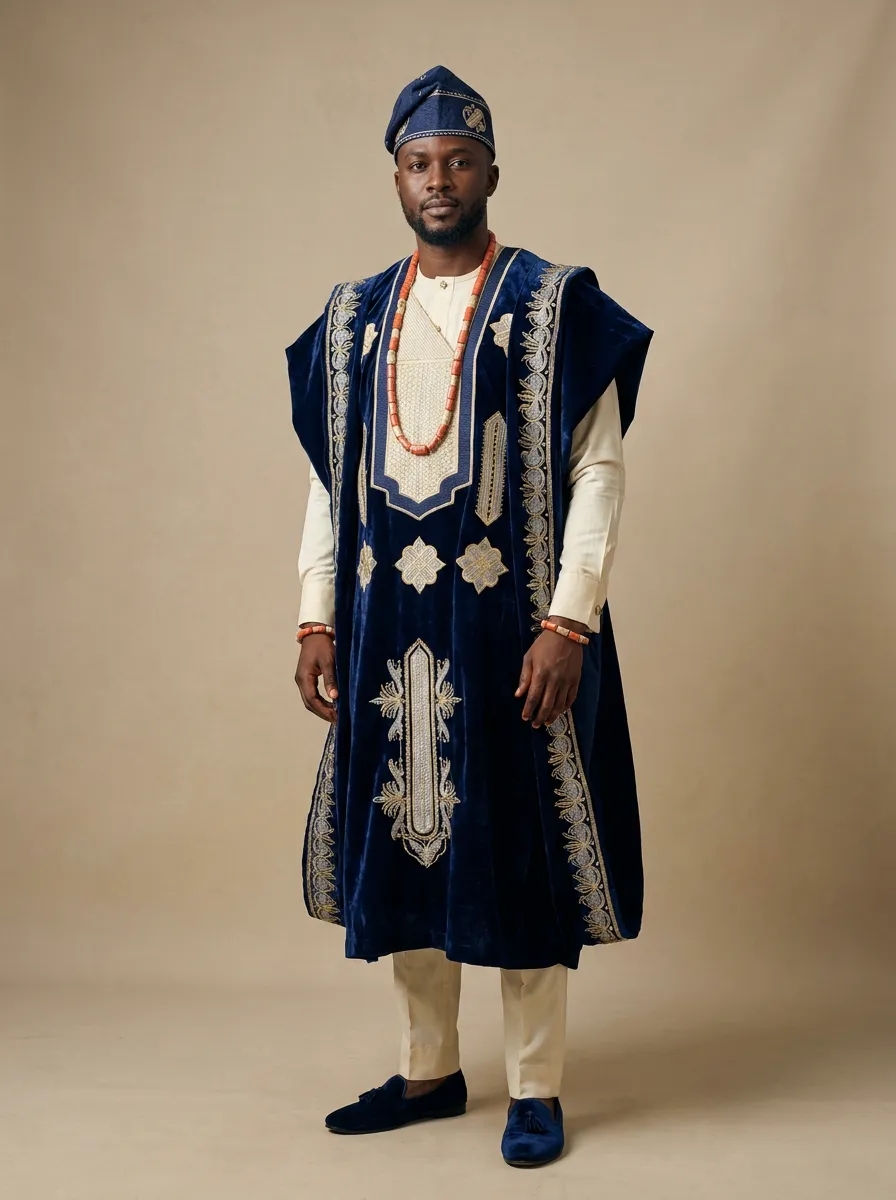
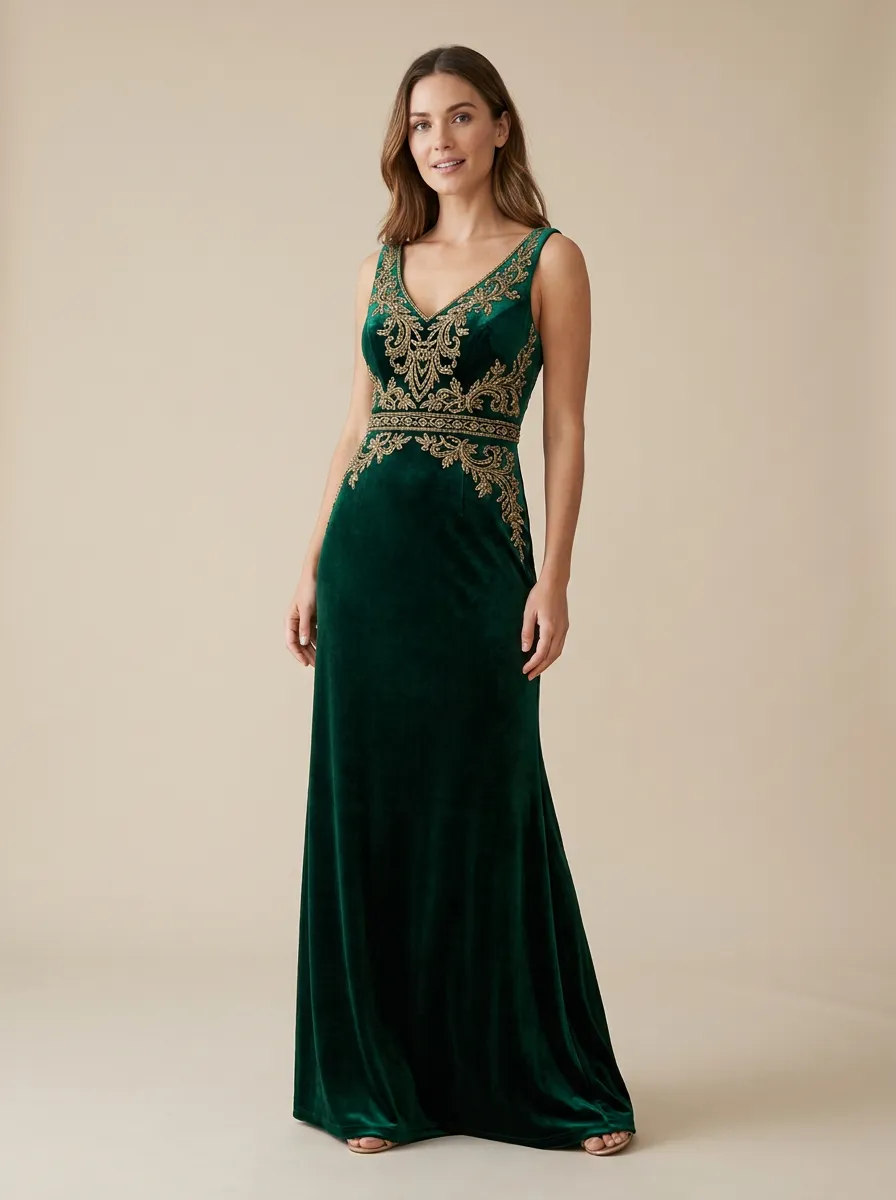
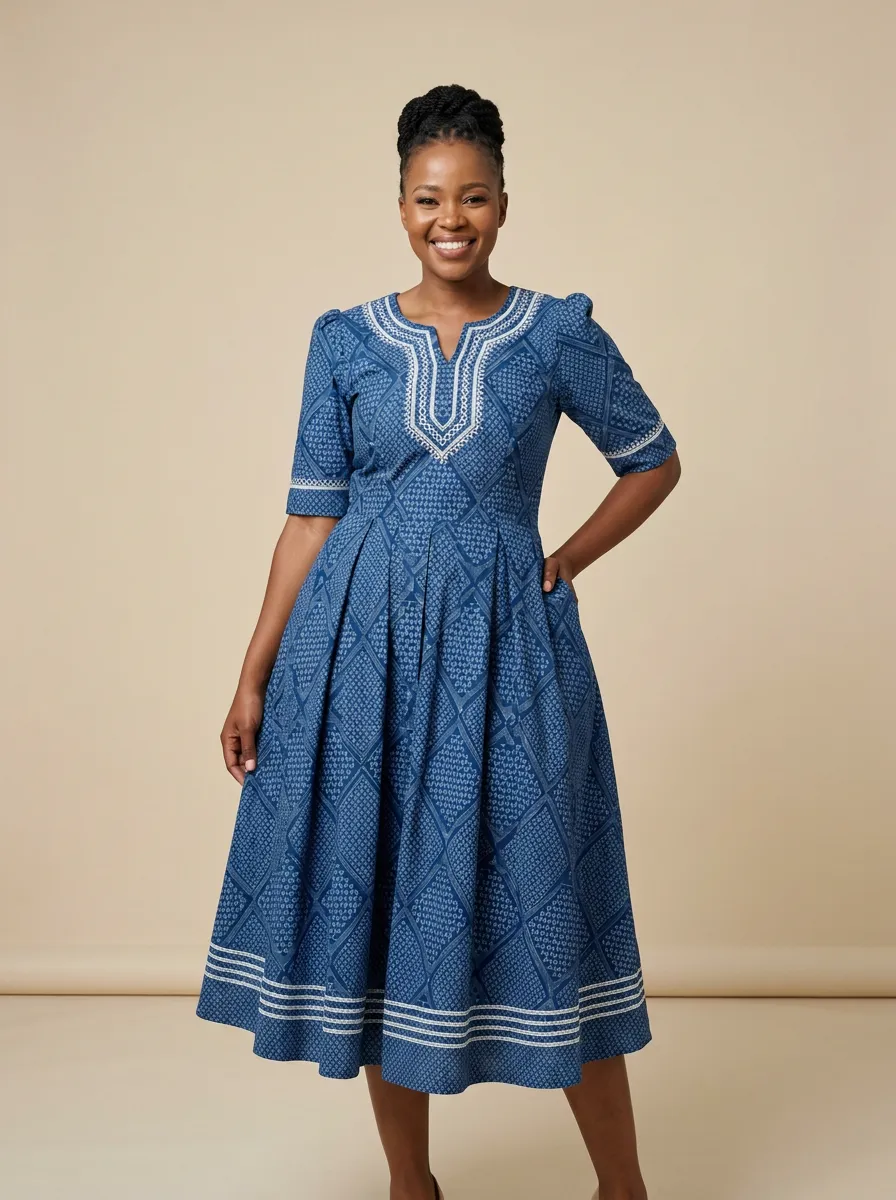
Every image here was designed and rendered with ZZEESS AI — not a stock photo, not anyone else’s work.
Say · See · Show
Name the occasion. See the look.
Say
Across seven markets — ZZEESS designs the whole look for it, every piece, every cloth, every craft, and puts it on a real body.
Show
See
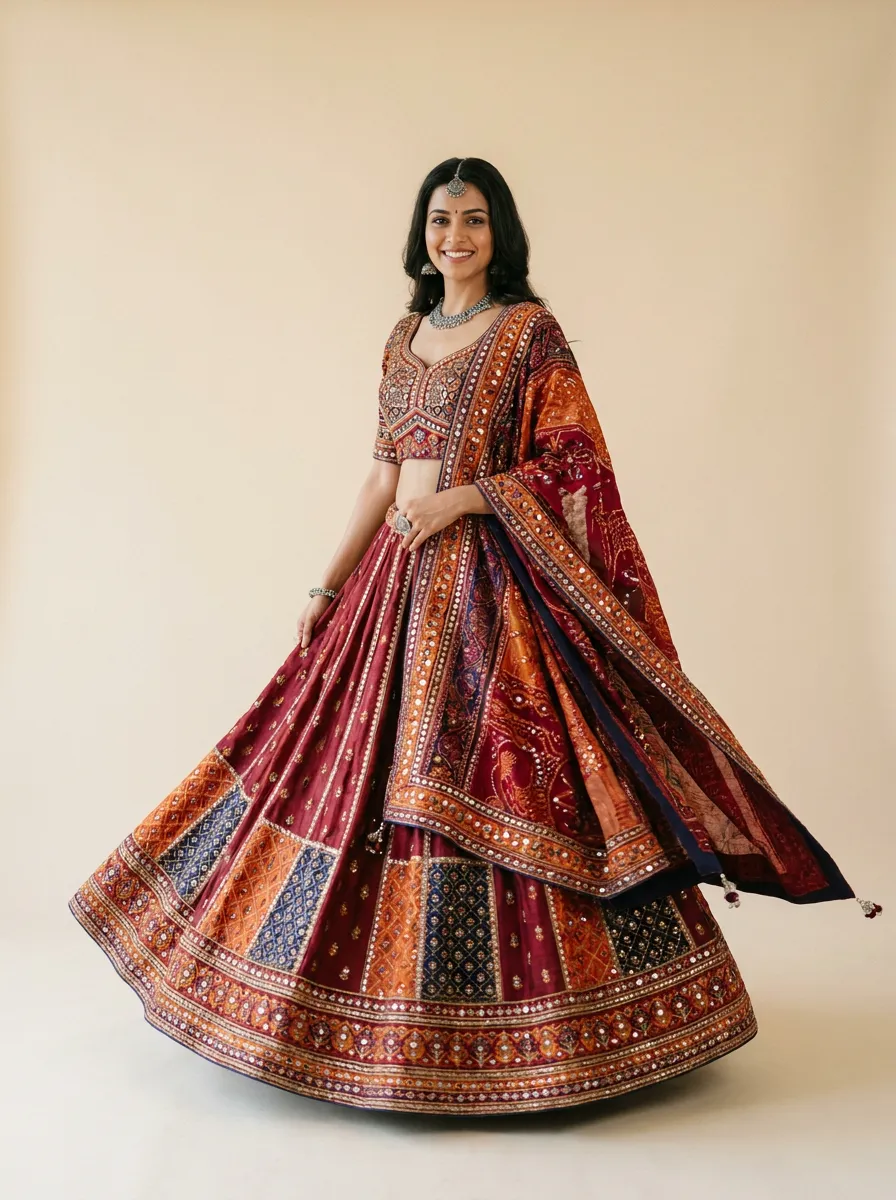
A real render, made and owned by ZZEESS — not a stock photo.
The word lifestyle, checked
of the 289 things in this catalogue are not clothes.
Footwear, bags, belts, jewellery, headwear and scarves. Nearly half of it, and every one of them a catalogue row in its own right — its own pieces, its own crafts, its own cost basis.
- 159
- apparel
- 130
- not apparel
Seven categories, and these are all seven.
Named in full, because the honest boundary is more useful to you than a longer list would be. There is no furniture here, no eyewear and no fragrance. Lifestyle means the whole of how a person dresses, for the whole of a life — not a product range we have not built. The jutti, the kamarbandh, the potli, the dupatta and the jhumka are not trim on an outfit. They are the outfit.
Apparel
Everything worn on the body.
Jewellery
Worn ornament, fine and costume.
Headwear
Turbans, headscarves, veils, hats.
Footwear
Juttis, kolhapuris, heels, boots.
Bags
Clutches, potlis, totes, pouches.
Belts & waist
Kamarbandhs, sashes, waist ornament.
Scarves & drapes
Dupattas, stoles, wraps, silk scarves.
Seven markets. Twenty-five regions. One catalogue.
An abaya is not a kurta with longer sleeves, a baju kurung is not a salwar kameez and a habesha kemis is neither. Each market’s own dress is held as its own thing — its garments, its occasions, its rules about cut and coverage, in its own words — which is the difference between a world catalogue and one country’s catalogue with the labels translated.
- markets, all open
- 7markets, all open
- regions inside them
- 25regions inside them
- terms of dress vocabulary
- 1169terms of dress vocabulary
Every one of them is open today.
India
Open178worn things · 14 regions
Every state and union territory
Indian diaspora
Open163worn things
United States · United Kingdom · Canada · Australia · the Gulf
Europe
Open122worn things · 7 regions
United Kingdom · France · Italy · Germany · Spain · Netherlands · Nordics
North America
Open107worn things
United States · Canada
Gulf / GCC
Open84worn things
United Arab Emirates · Saudi Arabia · Qatar · Kuwait · Bahrain · Oman
Southeast Asia
Open78worn things
Malaysia · Indonesia · Singapore · Brunei
Africa
Open60worn things · 4 regions
Nigeria · Ghana · Senegal · Kenya · South Africa · Morocco
Counts read from the catalogue on 25 September 2026. A market’s figure is what it can be dressed in, which is why they do not sum to 289 — a kandura is not offered in Kerala and a nauvari is not offered in Lagos. India is the largest of the seven and the deepest part of the catalogue, because it is where the method was proven first. It is where we started, not what we are.
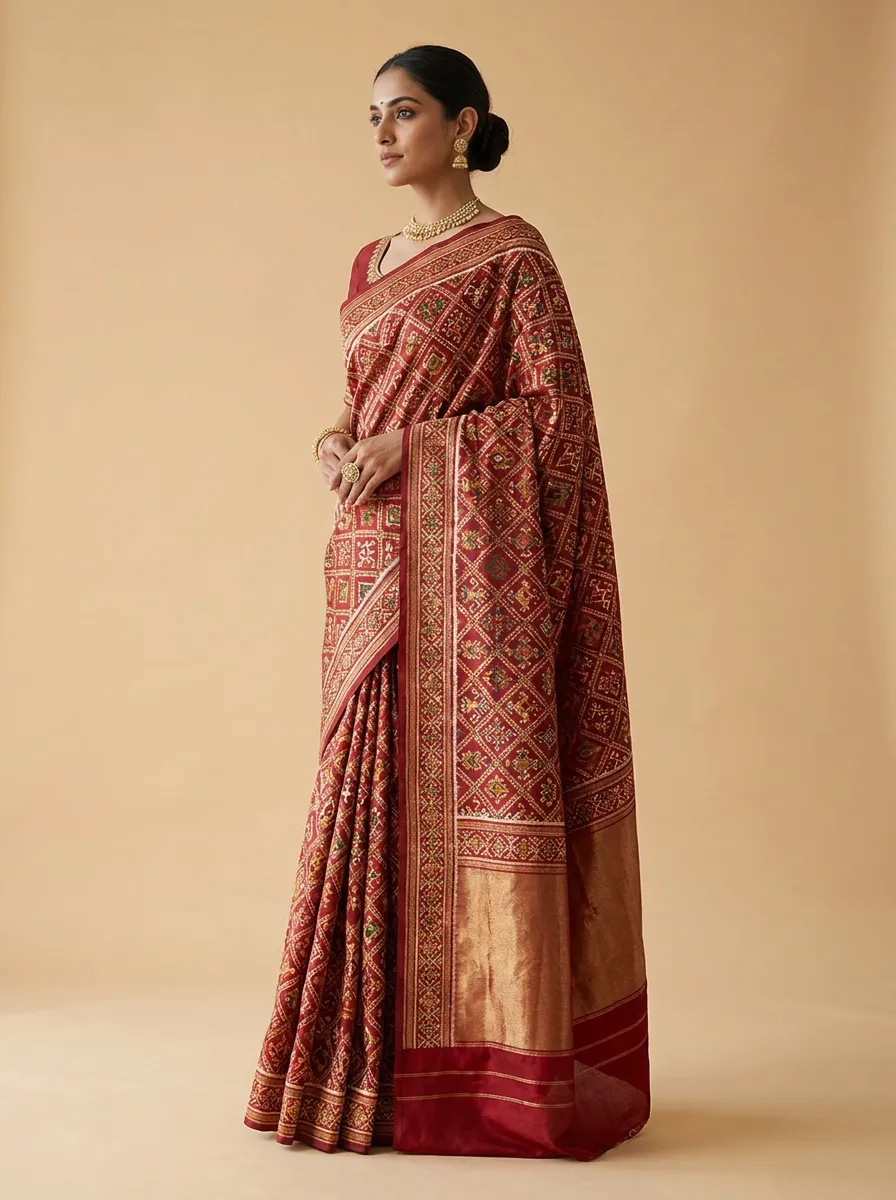 India
Every state and union territory
Patola saree for Diwali 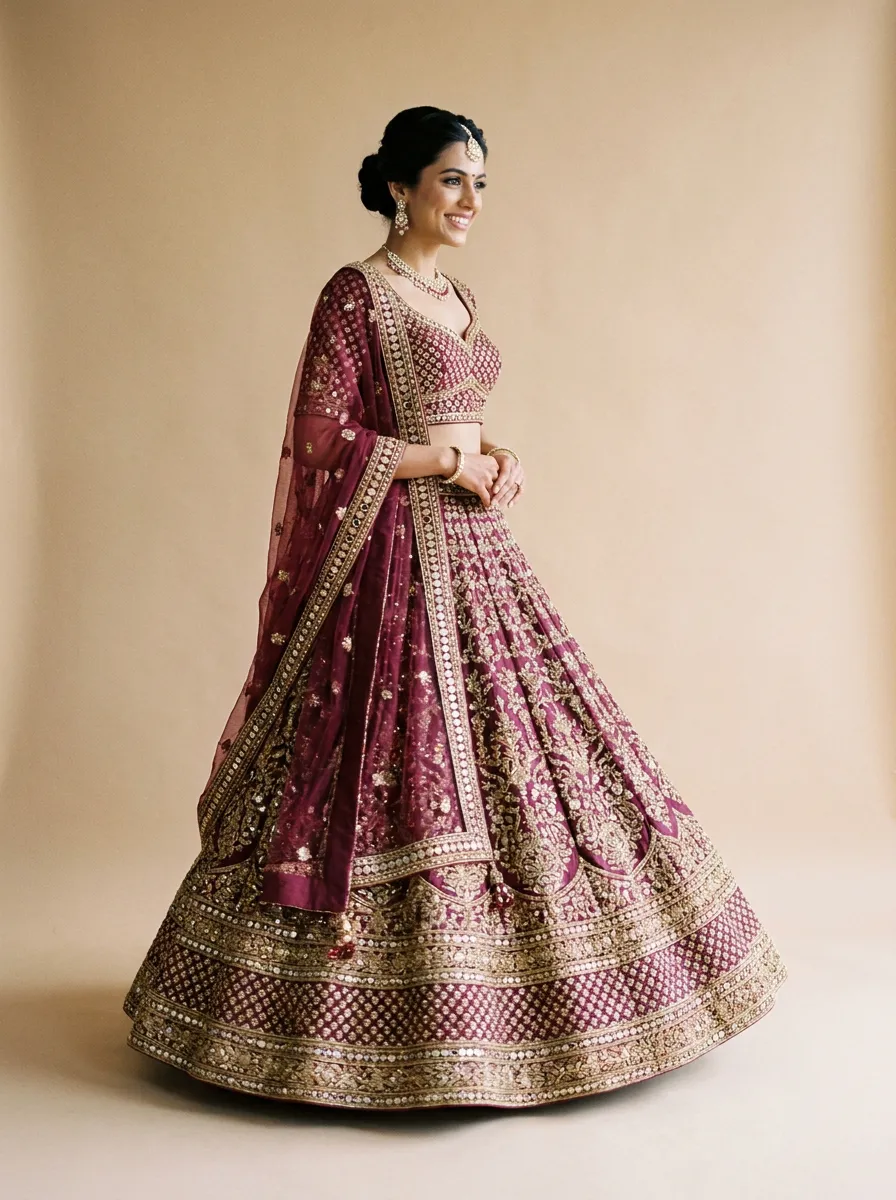 Indian diaspora
USA · UK · Canada · Australia · Gulf
Lehenga for a reception 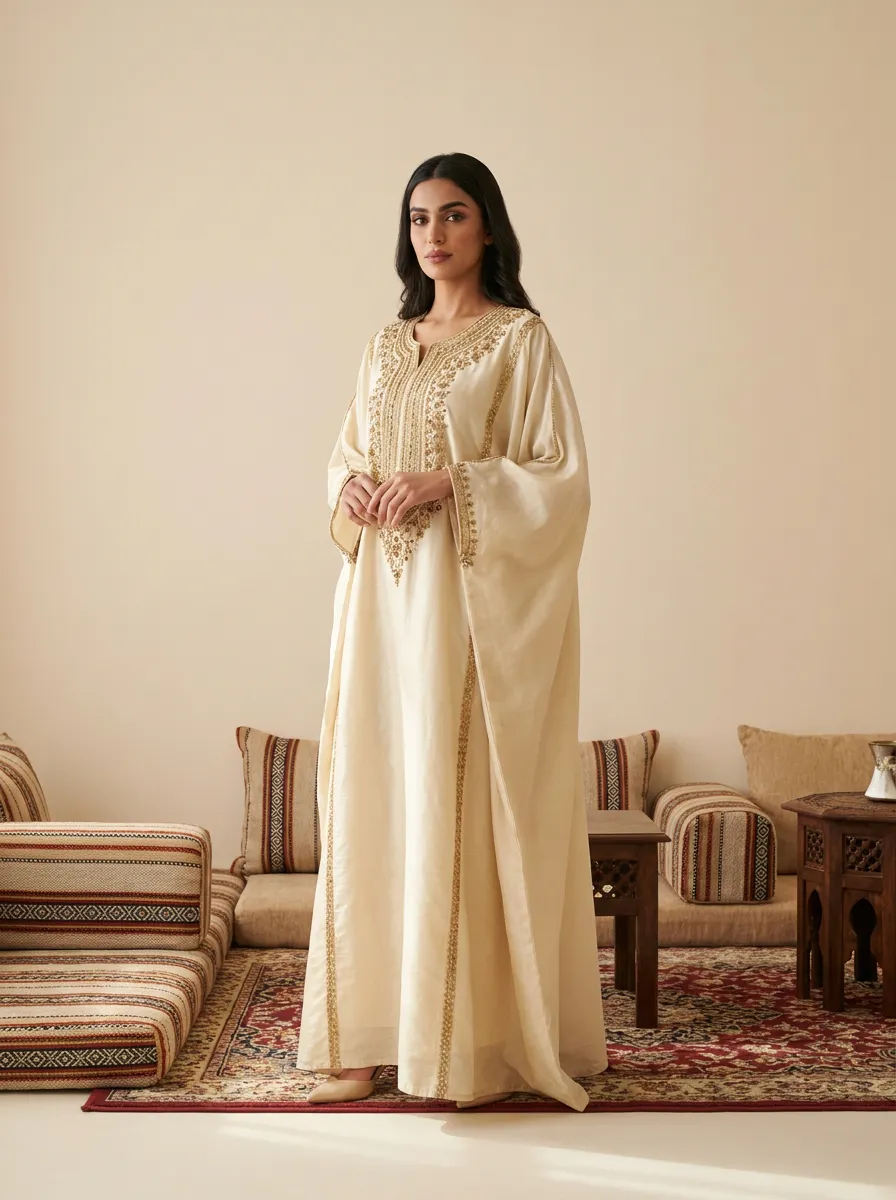 Gulf / GCC
UAE · Saudi · Qatar · Kuwait · Bahrain · Oman
Khaleeji kaftan for a majlis 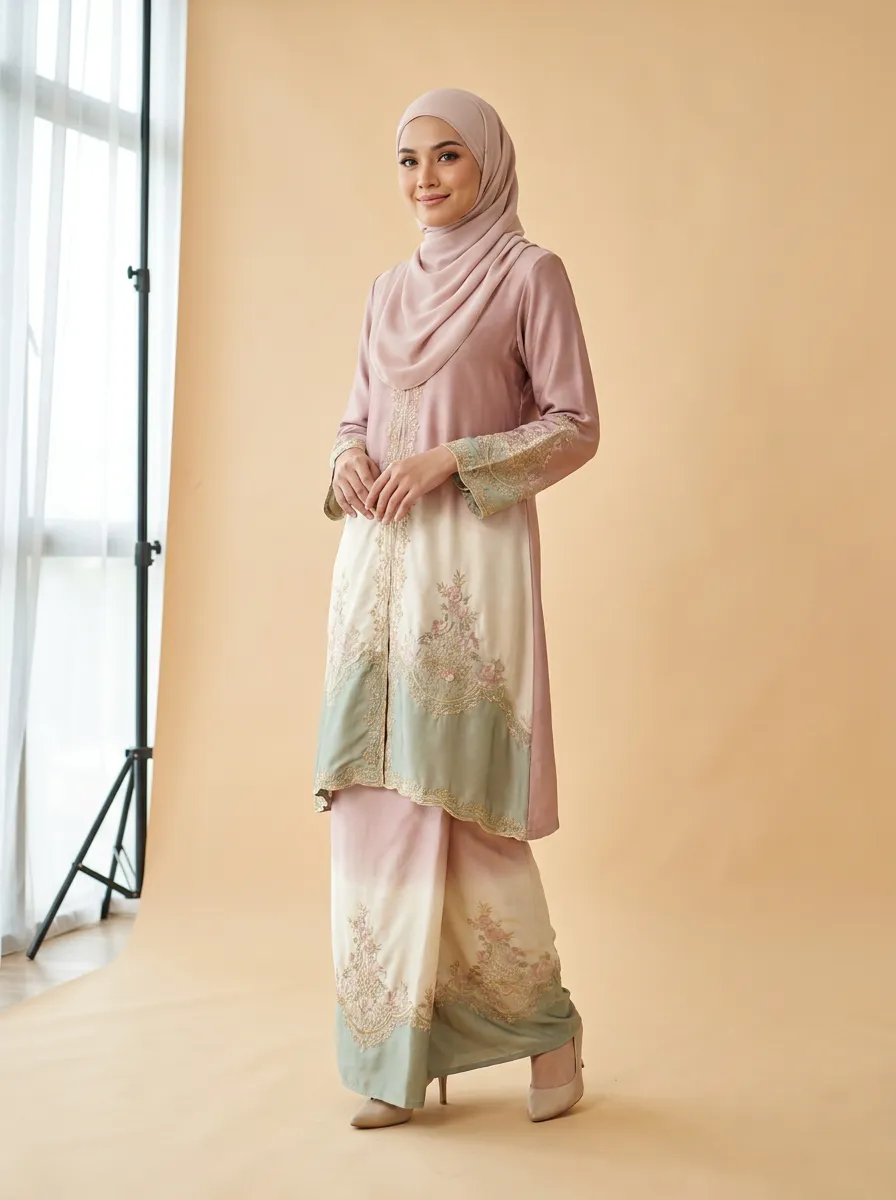 Southeast Asia
Malaysia · Indonesia · Singapore · Brunei
Baju kurung for Hari Raya 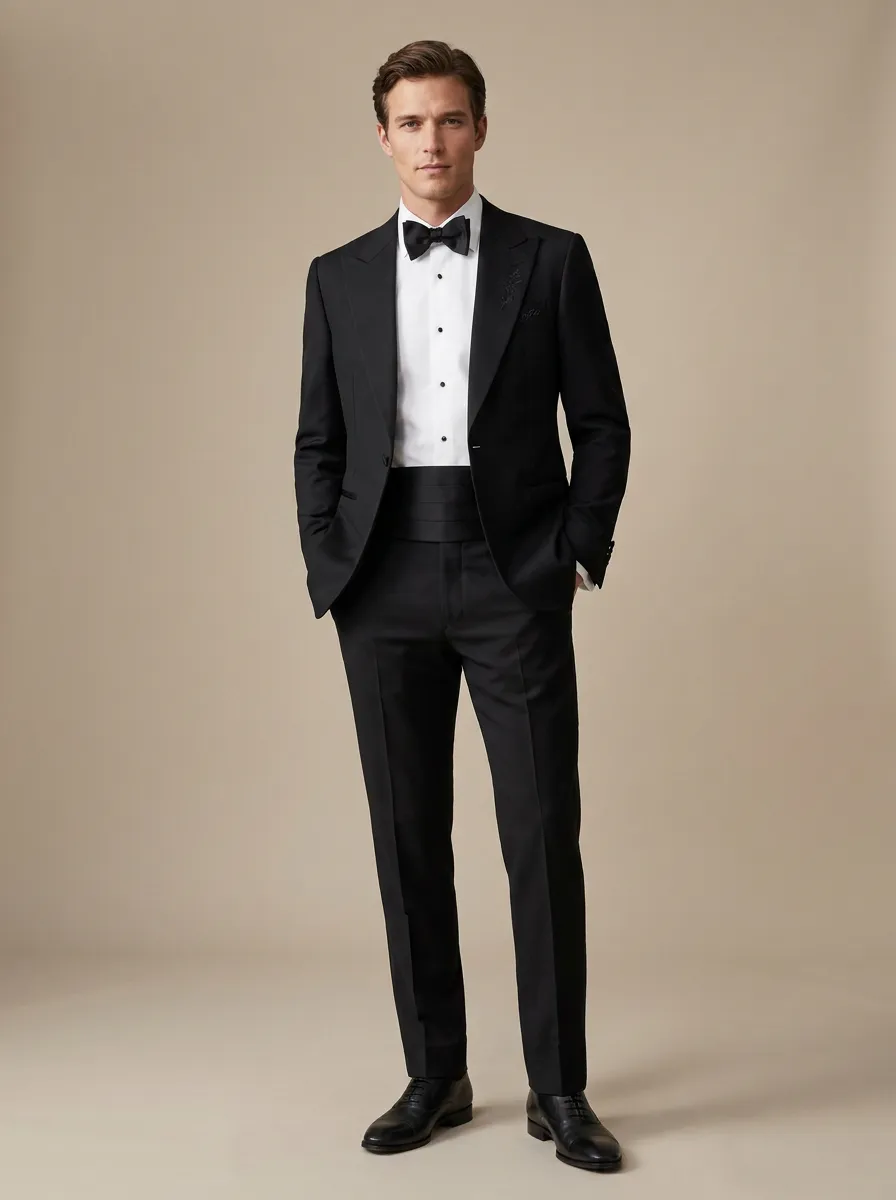 Europe
UK · France · Italy · Germany · Spain · Nordics
Tuxedo for black tie 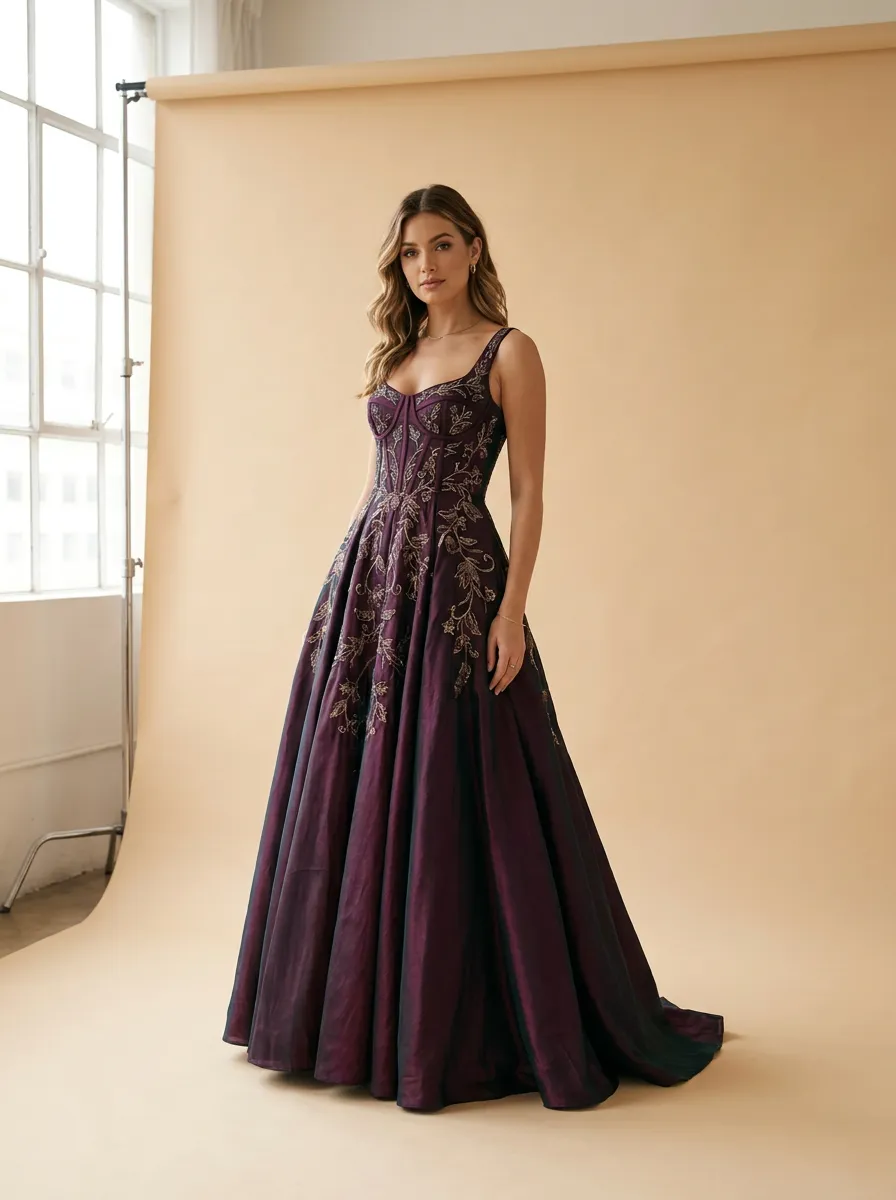 North America
United States · Canada
Ball gown for prom 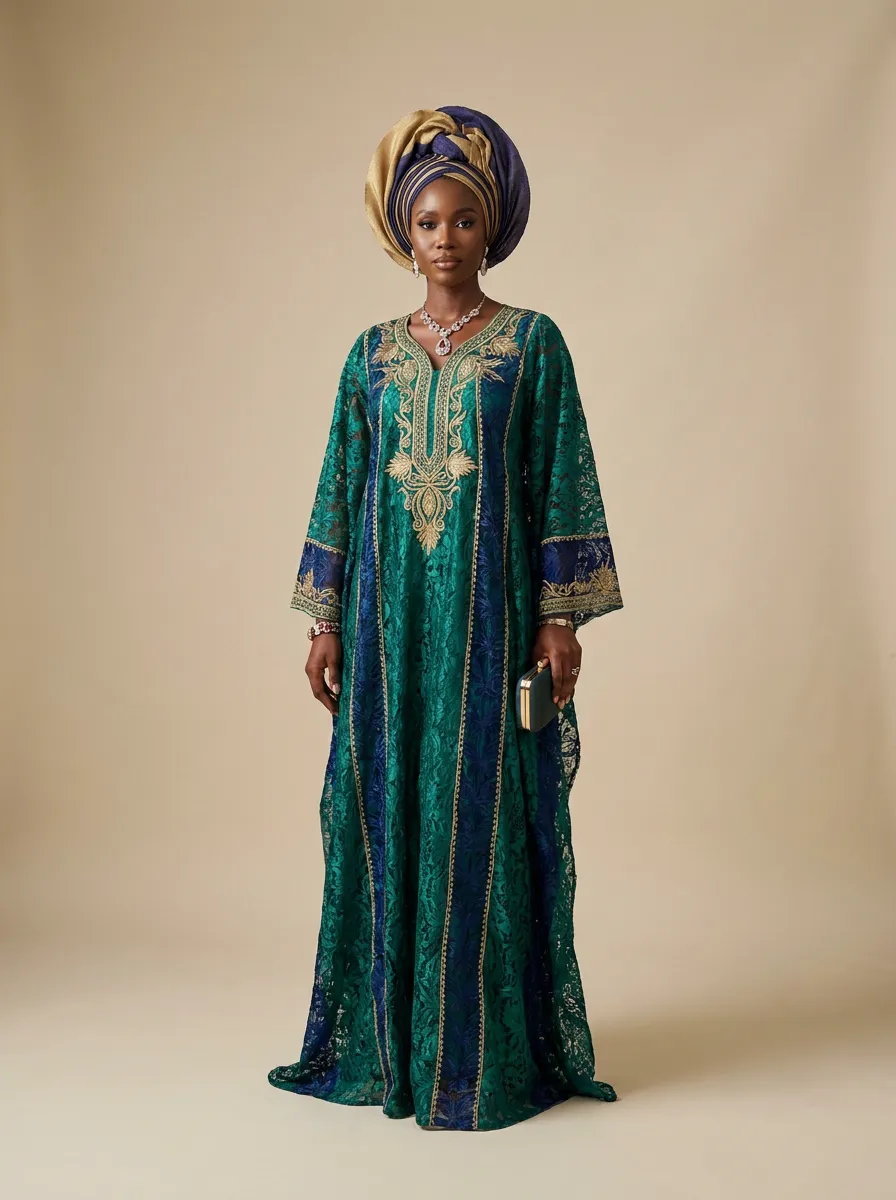 Africa
Nigeria · Ghana · Senegal · Kenya · Tanzania · Ethiopia · South Africa · Morocco
Jalabiya for an owambe
occasions, and they span a life — not a season.
A catalogue built for the dressed-up end of life is a catalogue for four weekends a year. This one holds the naming ceremony days after a birth and the funeral at the other end, and the unglamorous middle that every real wardrobe is mostly made of — the interview, the client meeting, the Sunday service, the week in the snow. A few from each stage, copied out exactly as the catalogue holds them.
Being born into it
- naming ceremony
- christening
- first communion
- half saree ceremony
Making your way
- graduation
- job interview
- client meeting
- prom
Marrying, and being at a marriage
- wedding guest
- walima
- henna night
- traditional wedding
The ordinary weeks
- church sunday
- harambee
- poolside
- ski week
Walking together, and saying goodbye
- hari raya
- durbar
- timkat
- funeral
The core discipline
Fashion is the hardest case. That is why we started there.
A garment has to be right about more things at once than anything else a person wears: the cut, the coverage, how that cloth actually falls, whether that craft can physically be worked on it, and what a family in that region would accept. Get one of them wrong and the picture is worth nothing to whoever has to make the thing.
So the catalogue was built to the standard a garment demands — 95 cuts, 225 crafts, 104 cloths over 56 materials, 32 traditions — and only then were the shoe, the bag and the ornament brought through the same masters. They did not need a second system. They needed this one.
Which is the whole shape of the company in a sentence: fashion is the major strength and the reason anything here is any good, and the breadth is not a different product but what happens when the hard case is solved before the easy ones.
What can be described here
1,014,390,000
Distinct worn things this catalogue can describe today.
Not a claim, because here is the multiplication. A shoe, a potli and a headwrap are counted in it on exactly the same footing as a gown, because the catalogue holds them the same way.
And that is the floor. The sum gives the whole garment one cloth and one craft, and counts colour not at all.
It does not count the shape either. 95 cuts decide the neckline, the sleeve, the hem and how close it sits, and 45 fittings the buckle, the zip and the sole — none of them in the sum above.
Nor the surface: 109 motifs, each with a placement, and 56 materials under the 104 cloths. Multiply any of it in and the number stops being worth printing.
Four wardrobes. Not one shelf.
A saree for Durga Puja, a pantsuit for Monday, a kaftan for the poolside, an embroidered gown for the reception — from the same catalogue, asked the same way. Ethnic is what we know best. It was never all we hold.
Ethnic
Indian traditional, and the traditional dress of everywhere else we serve — held as itself, not as an Indian garment renamed.
Indo-western
Indian craft on a western cut. The embroidery of Lucknow on a gown that would pass at a reception anywhere.
Western
Tailoring, dresses and separates — the office, the party, the everyday, and the black-tie vocabulary that has no Indian equivalent.
Resort & beach
Holiday dressing — the beach, the poolside and the evening after. Light, loose and unstructured.
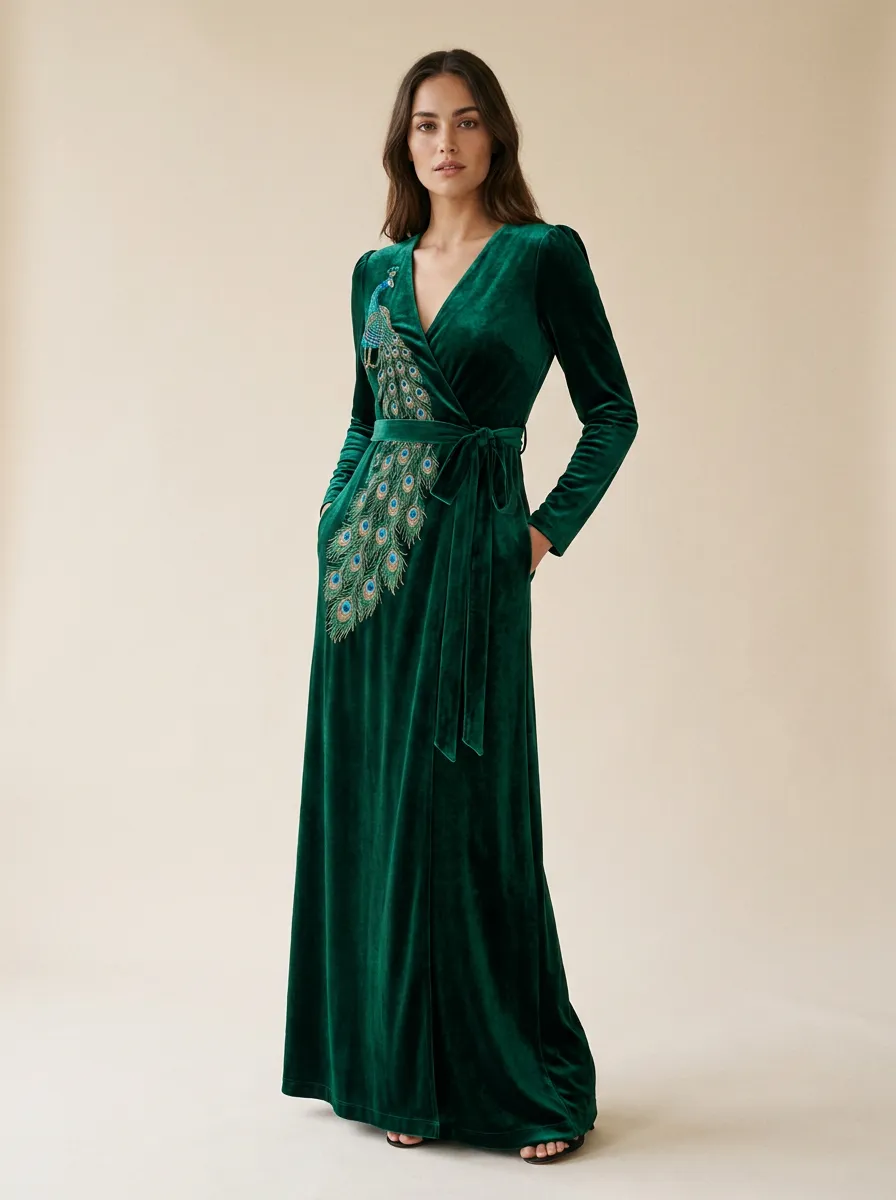
Wrap dress for a night out 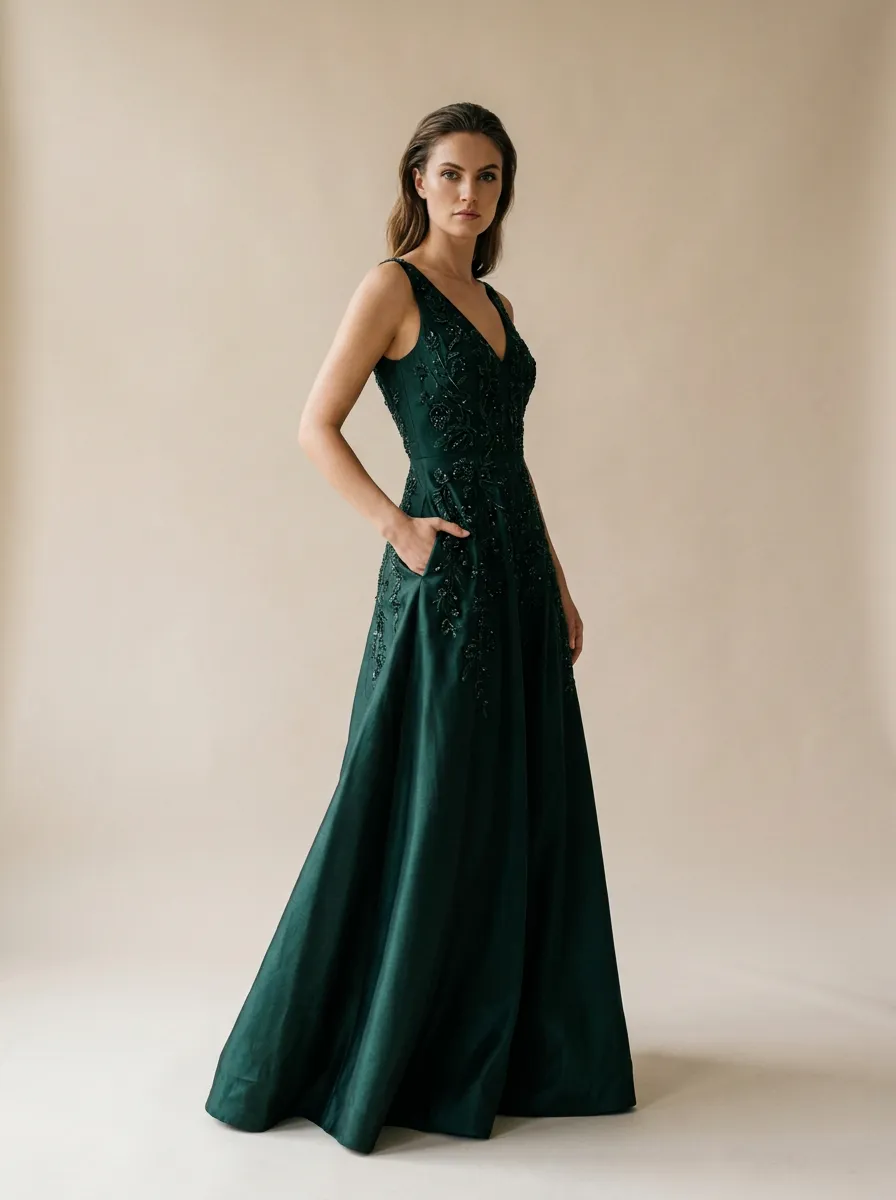
Cocktail dress for a party
What a house actually takes away.
A render is the easy half. The half that decides whether anything gets made is what the render is attached to — and here it is attached to a record, which is why the list below can go past the picture.
A design, not a picture of one
The garment, the cloth, the craft, the cut and the fitting are chosen as separate decisions that know about each other — then rendered. Which means the output is attached to a record, and the record is what the rest of this list is made of.
Region by region, not one house style
Each market and each region carries its own rules about cut, coverage and construction, and they reach the design itself rather than sitting in a brief document. An abaya is not a kurta with longer sleeves and the catalogue does not treat it as one.
A sheet a workshop can cut from
The neckline, the sleeve, the fit, the placement of each craft and each motif, written out and printable without the picture. What the record does not hold is printed as not held — a missing fact costs a phone call, an invented one costs the garment.
A cost band before anything is made
Built from what that garment costs to make, the handwork loaded onto it, and the floor for its category. Where no basis has been set, there is no band — we would rather show nothing than a number somebody might plan against.
Piece by piece, not garment by garment
A chaniya choli is a choli, a ghagra and a dupatta — the pieces a tailor would cut separately. Each takes its own cloth, its own colour and its own handwork, and each can be rendered close up on its own.
A photograph read into a record
An archive image, a runway shot, something on a phone. It is read into the same vocabulary — garment, cloth, work, cut — shown to you as plain words you can correct, and kept with whatever is made from it.
For one person, with one occasion
Dressing for your own occasion? Same catalogue.
You do not need to be a designer, and you do not need the words. Tell ZZEESS what the occasion is — a wedding, a reception, a first day at work — and the vocabulary a house designs from will dress you for it. Four ways in, and all of them are yours.
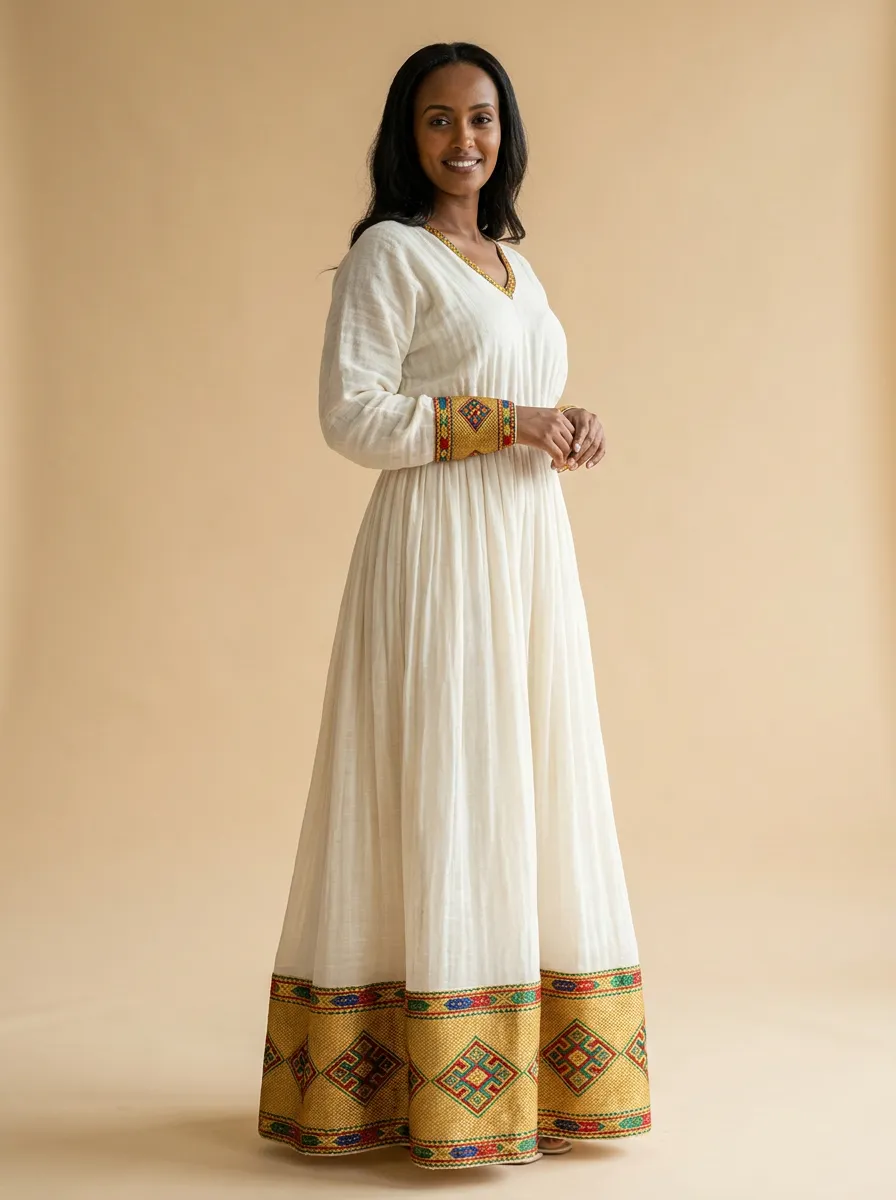
Habesha kemis, woven tibeb at the hem 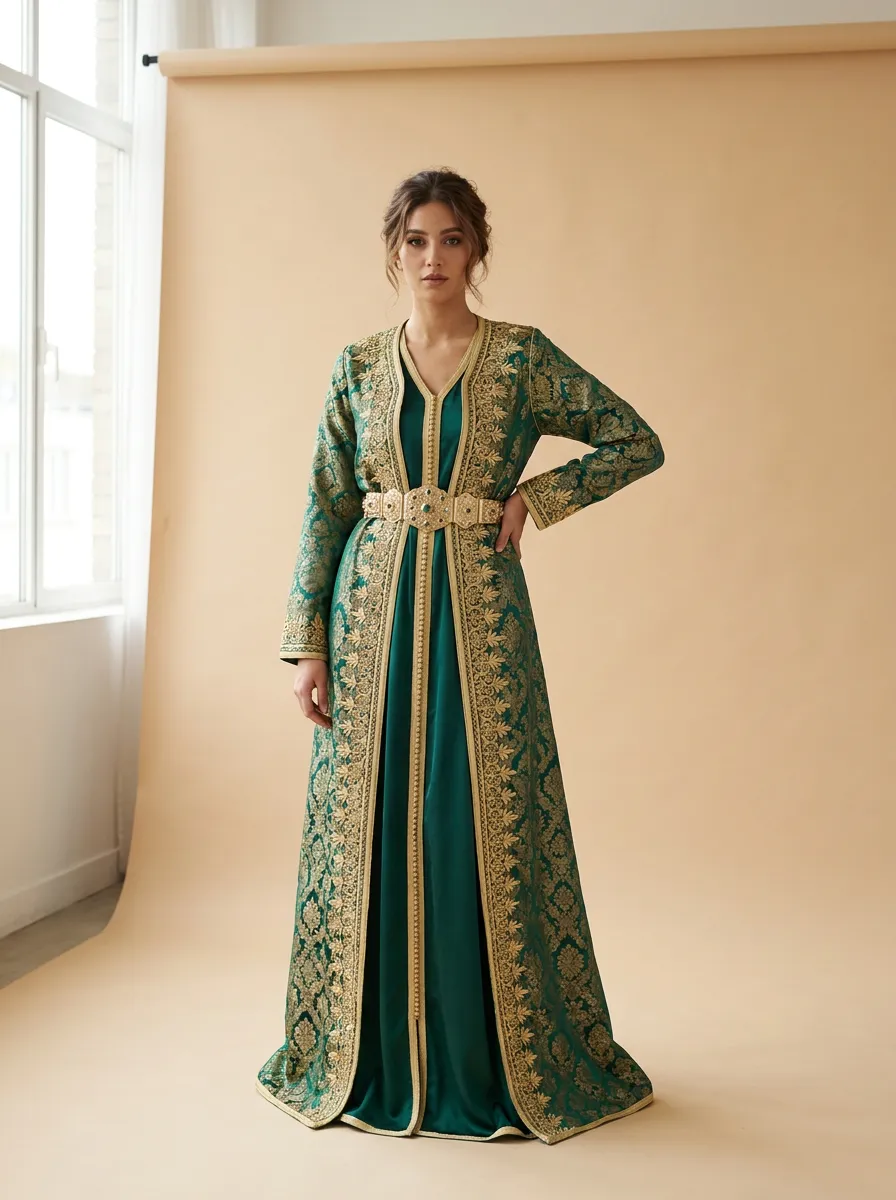
Takchita over its mdamma belt 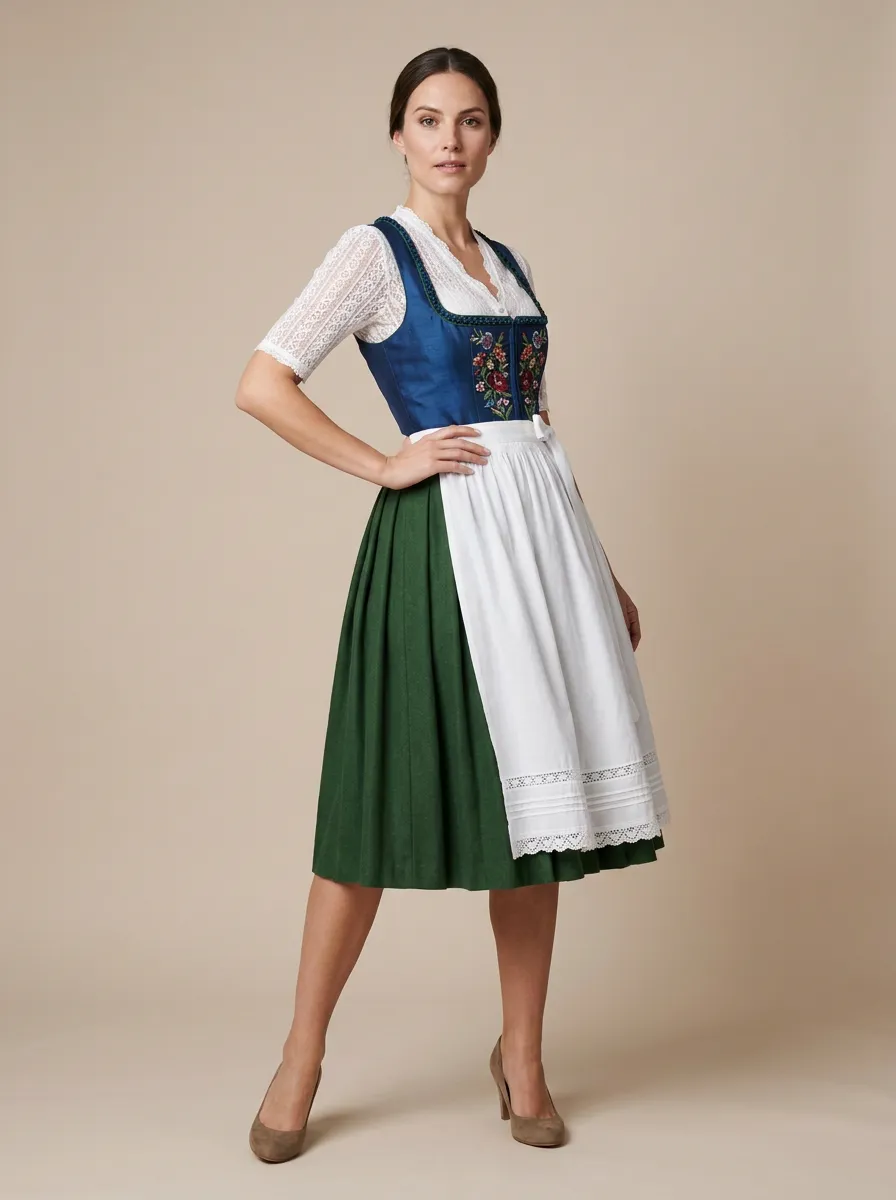
Dirndl — bodice, blouse, skirt and apron 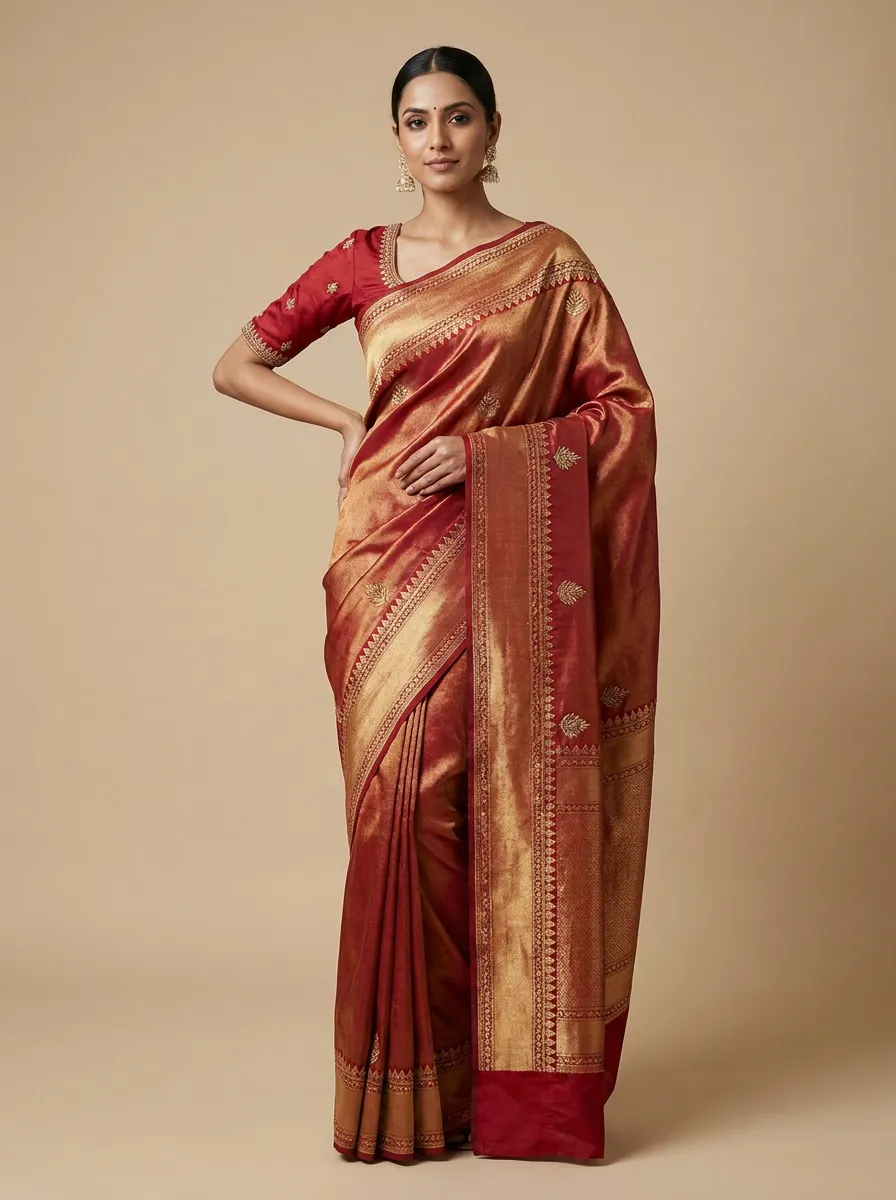
Saree for Durga Puja 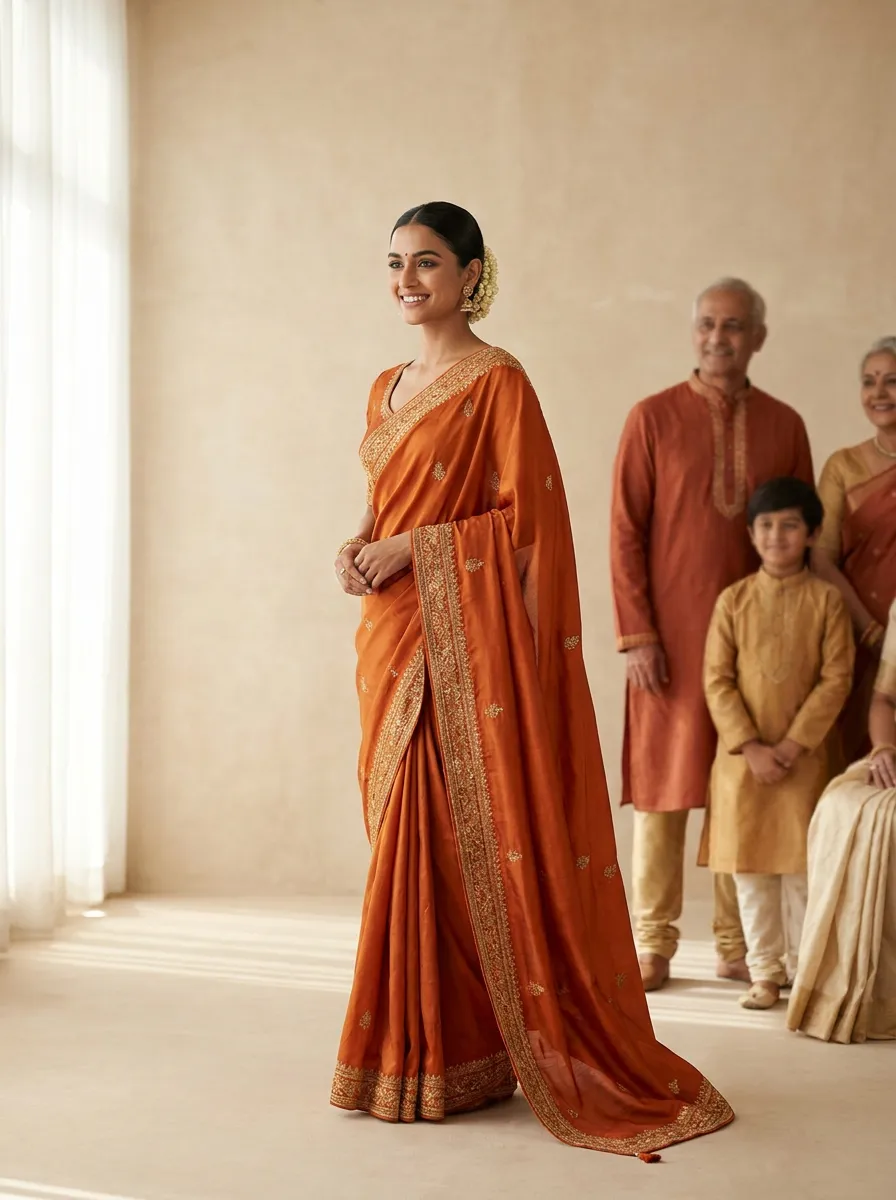
Durga Puja, the whole family
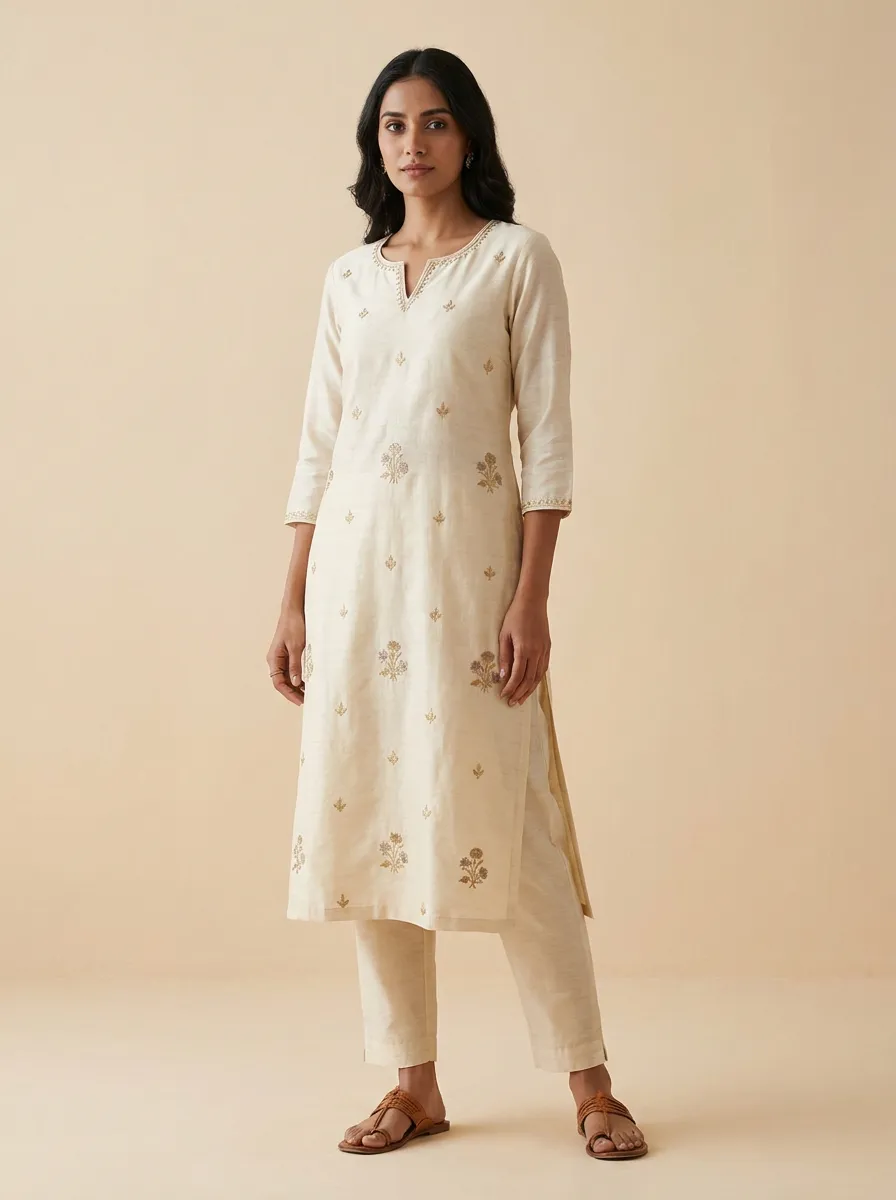
Kurta set for festive daywear 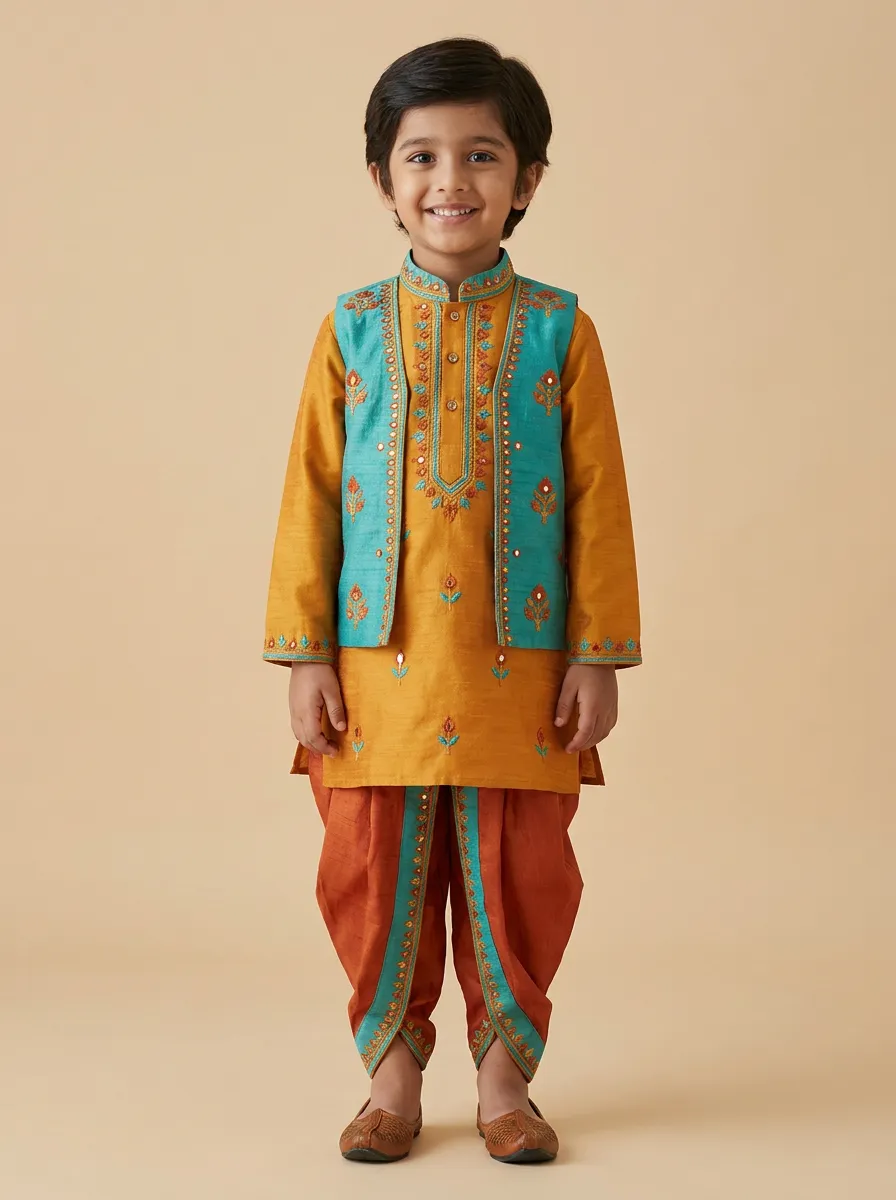
Festive daywear, for a child
Look-a-like
Seen something you love? Send us the picture.
A dress at a wedding, a gown in a shop window, a photograph you saved months ago and never found again. Upload it. We read the garment out of it and make you one — in your colour, your cloth, your size.
See how it works →Occasion Styling
One occasion. Everybody in it.
The bride, the groom, the mother, the brother, the child. Dressed together for the same event, so the family reads as one party in the photograph instead of four people who each shopped alone.
See how it works →Design Your Own
Change it piece by piece, not all at once.
For anyone who already knows what they want. A chaniya choli is a choli, a ghagra and a dupatta — three pieces, each with its own cloth and its own colour. Not one slider dragged over a whole outfit.
See how it works →Design Wizard
A few questions. No fashion words needed.
The way in for everybody else — which is most people. Tell us what you are dressing for and we ask a handful of short questions. Anything you have no opinion on, you skip. Anything that has no real answer for your occasion is never asked.
See how it works →Already with us? — your designs and everything in them are where you left them. New here? Personal accounts are open, and how it works walks you through the four ways in.
Two doors. One catalogue behind both.
If you run a house, write to us and we will show you the catalogue against your own market — whichever of the seven that is. If you are dressing for something, start with the occasion.