For fashion and lifestyle houses
Your second market should not cost what your first one did.
A house that wants to sell into a market it has not dressed before starts by hiring for it — somebody who knows what the occasion is called, what is worn to it, what the work on it is meant to look like, and which of the things it could be told to draw would be wrong. That is the real cost of a second market, and it is paid before a single drawing exists.
ZZEESS is that knowledge, written down. 7 markets, 25 regions and 7 categories, held as a described catalogue rather than a list of words — so the same design room can work in a market it has never sold into, and the brief it writes is the one somebody from that market would have written.
It is not only clothes. 130 of the 289 things this catalogue describes are not apparel: footwear, bags, belts, jewellery, headwear and scarves.
One catalogue. Seven markets. No second team.
Each market holds garments, occasions and dress rules of its own, and none of them is another one translated. An abaya is not a kaftan. A shayla is not a dupatta. A takchita is not a caftan with a belt on it, and a habesha kemis is not a white dress with a border. The catalogue holds every one of those as itself, with a description a brief can be built from.
The spread below is the honest part of it. India is deepest because it has been worked longest and Africa is newest and shallowest — depth is not standing, and all seven are open. Seven equal columns would imply a parity the catalogue has not earned yet.
- India178
- Indian diaspora163
- Europe122
- North America107
- Gulf / GCC84
- Southeast Asia78
- Africa60
Distinct garment styles described and reachable inside each market — kinds the vocabulary holds, not pieces on a shelf — read off the catalogue on 25 September 2026.
Six of them, from the same vocabulary
Not six models trained on six markets. One described catalogue, asked six different questions — and the reason the answers are not six variations of the same dress is that the words behind them are not variations of each other either.
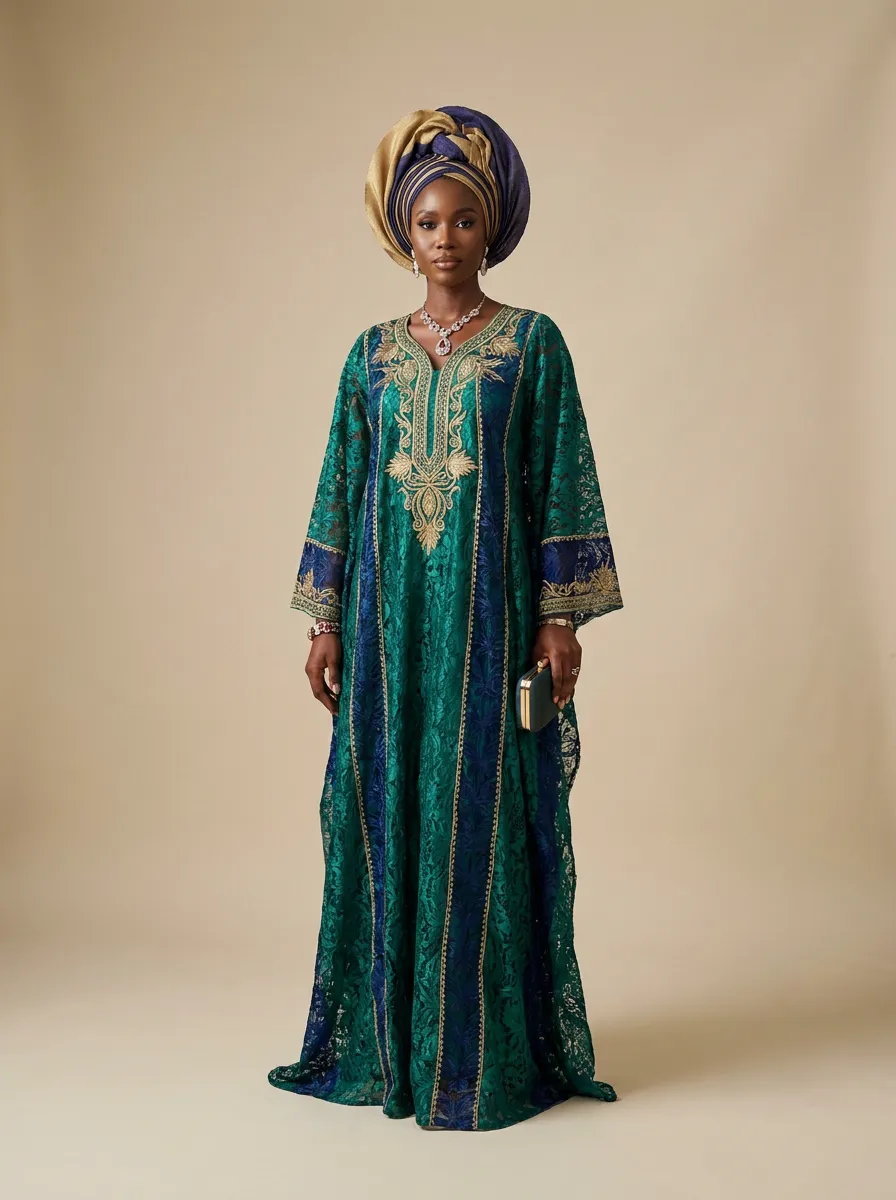
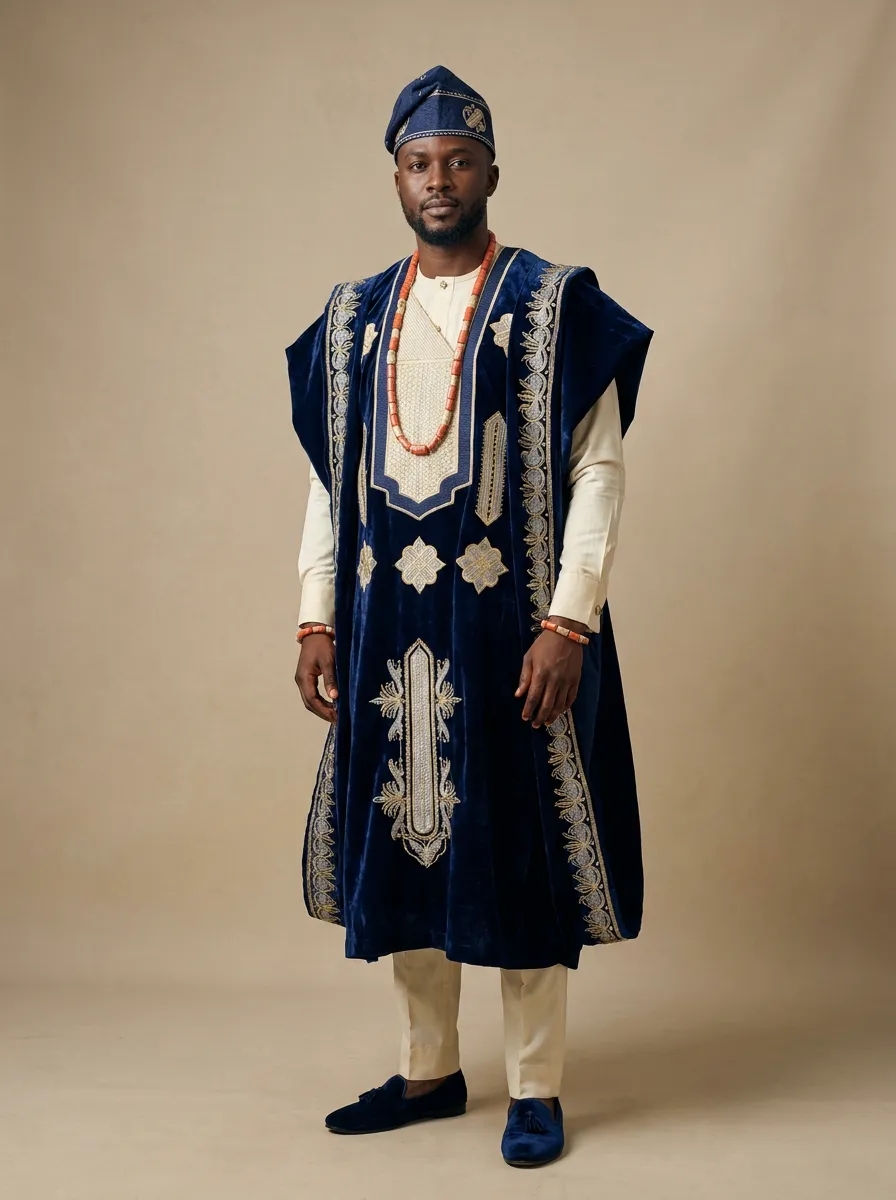
Jalabiya for an owambe 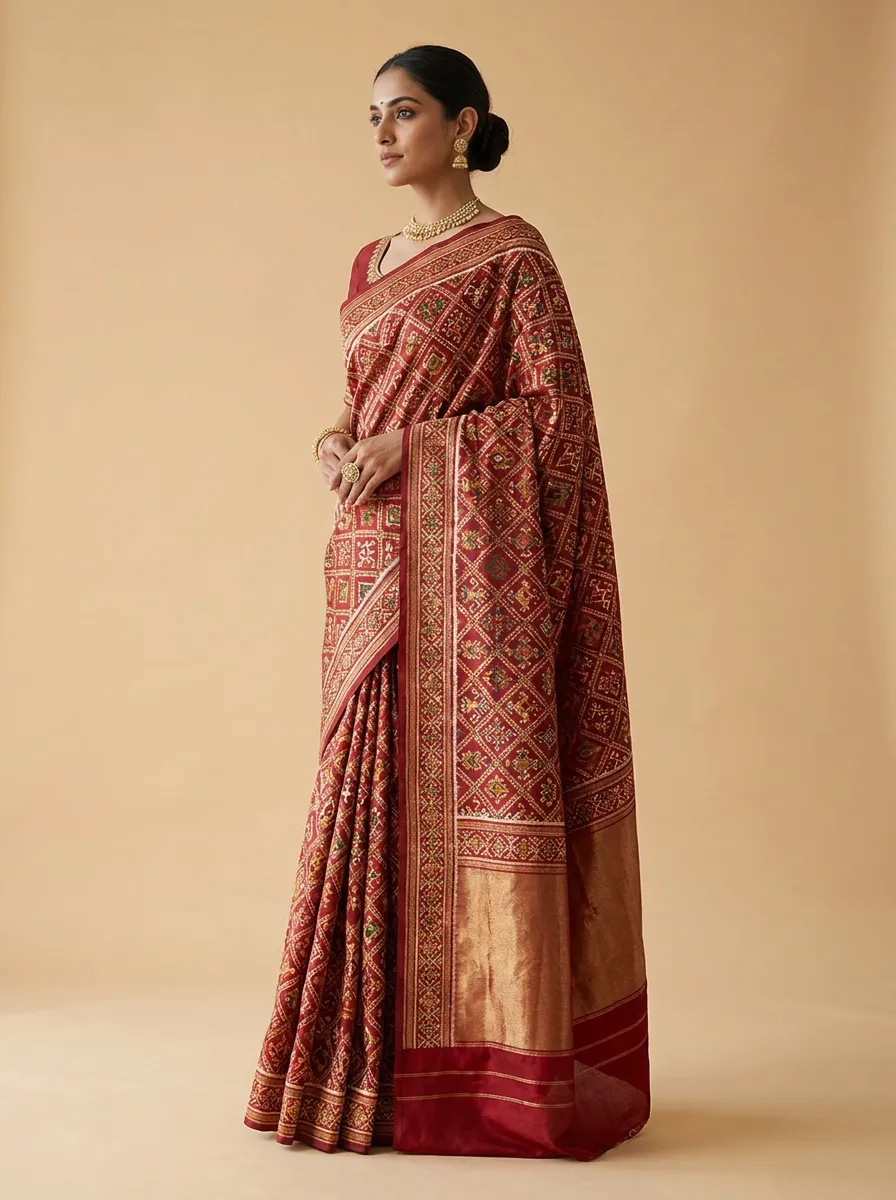
Patola saree for Diwali 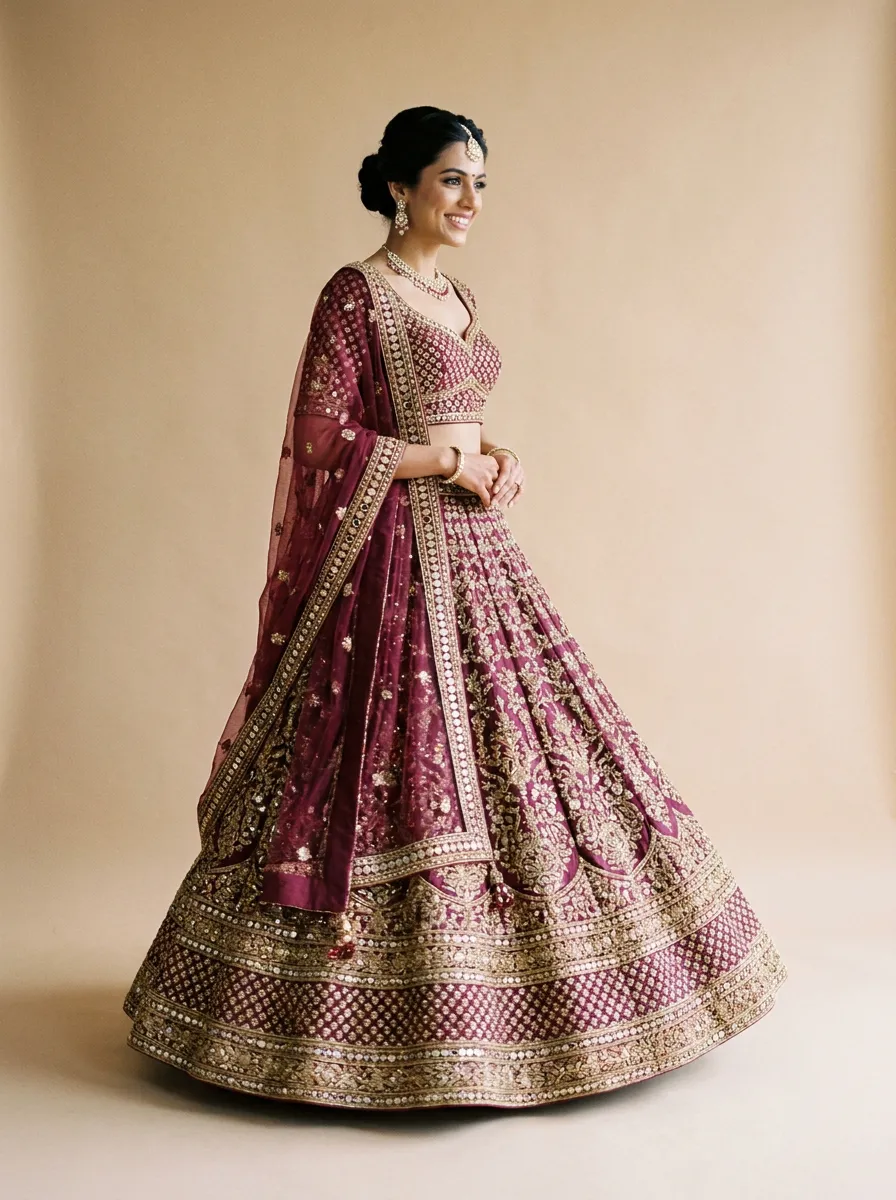
Lehenga for a reception 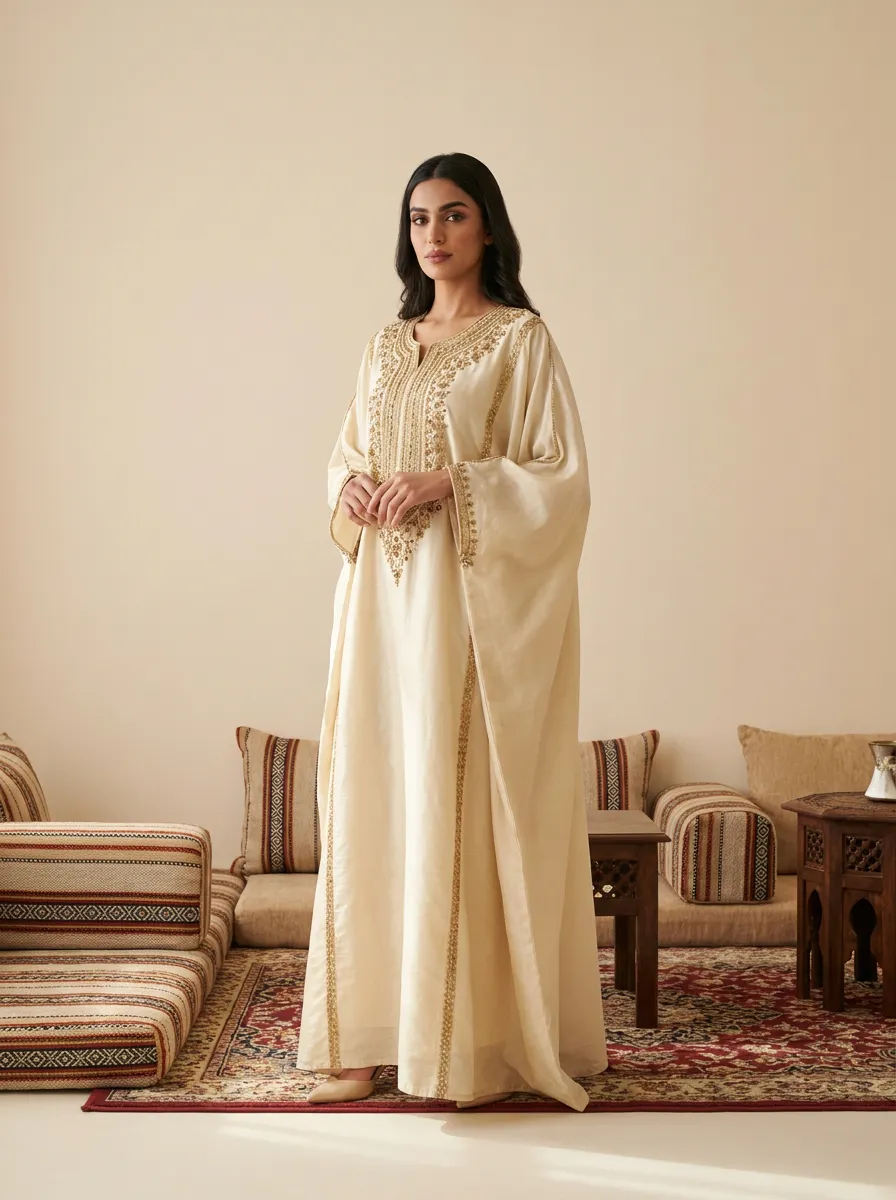
Khaleeji kaftan for a majlis 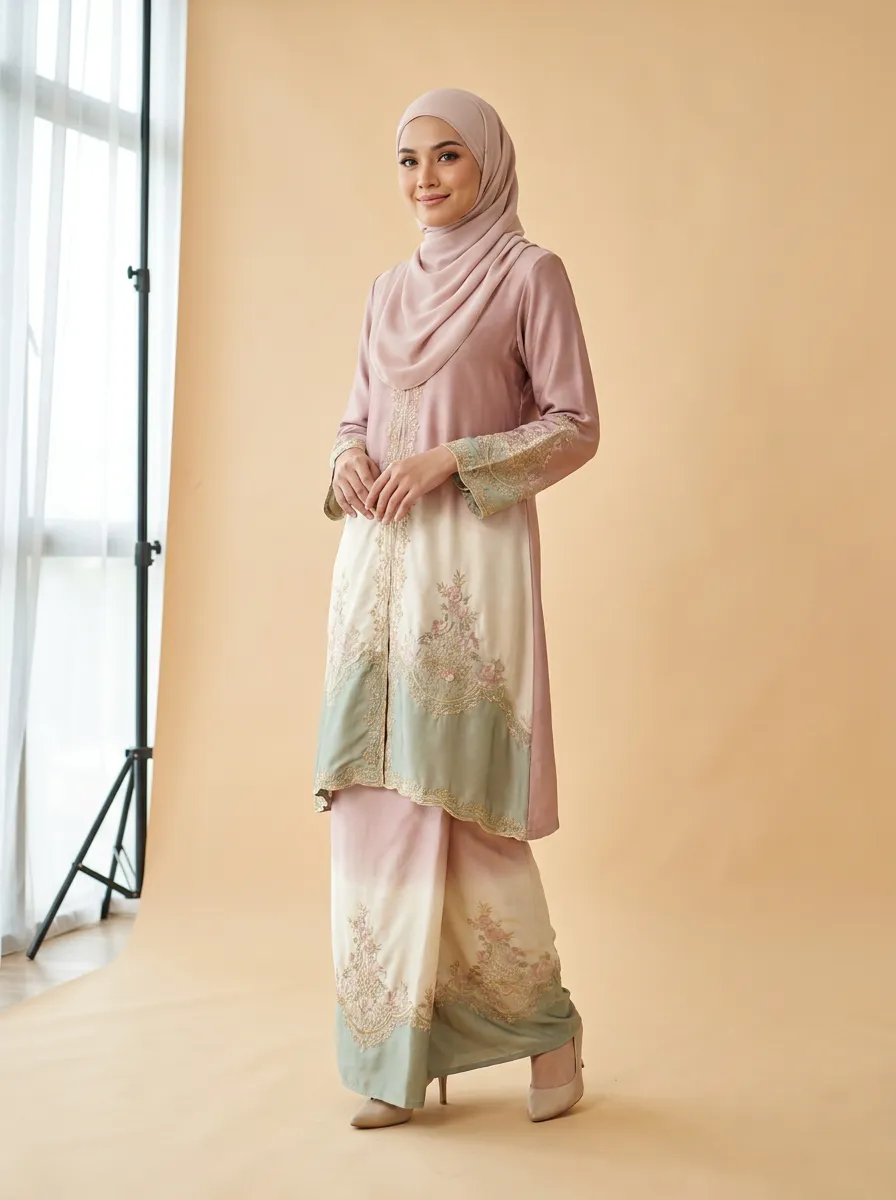
Baju kurung for Hari Raya 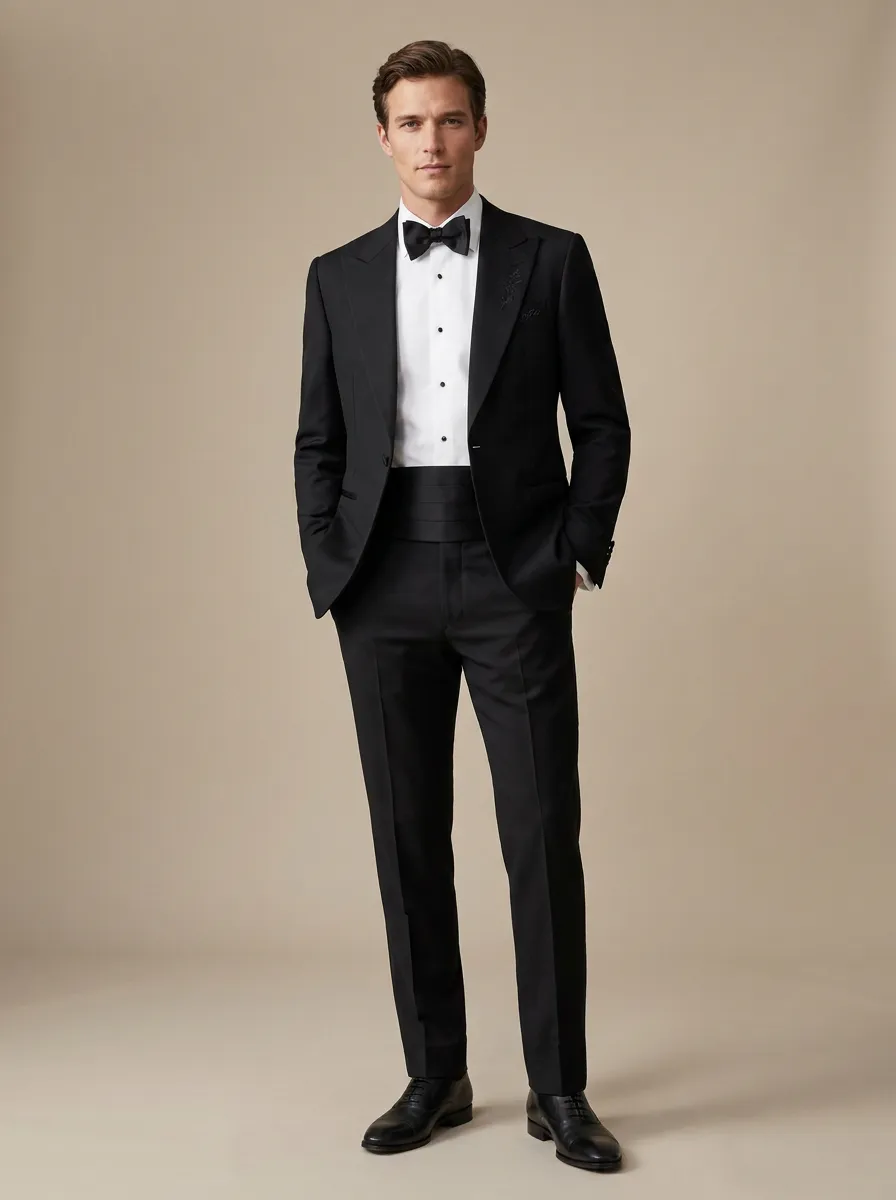
Tuxedo for black tie
Hundreds of thousands is the wrong order of magnitude
Four of the catalogue’s dimensions, multiplied. What the garment is, what it is worn to, what it is made of, and what work is on it — the four questions a brief has to answer before anything can be drawn at all. Every one of them is a described row, not a word in a dropdown.
- 289garment styles
- 150occasions
- 104cloths
- 225crafts
1,014,390,000
distinct briefs
The factors are printed beside the product on purpose. A billion on its own is a number a reader is right to discount; a multiplication is one they can do on the way to the meeting.
And it is the size of the space, not a promise that every point in it is a garment worth making. Plenty are not, and the catalogue’s own rules refuse them — a cloth that cannot carry a particular work is a question this platform asks and answers before it draws.
One design. Four things a workshop can use.
An image tool gives you the first picture. The argument for this platform is the other three — because the first one is not what a house is short of, and the other three are what a design room actually spends its week producing.
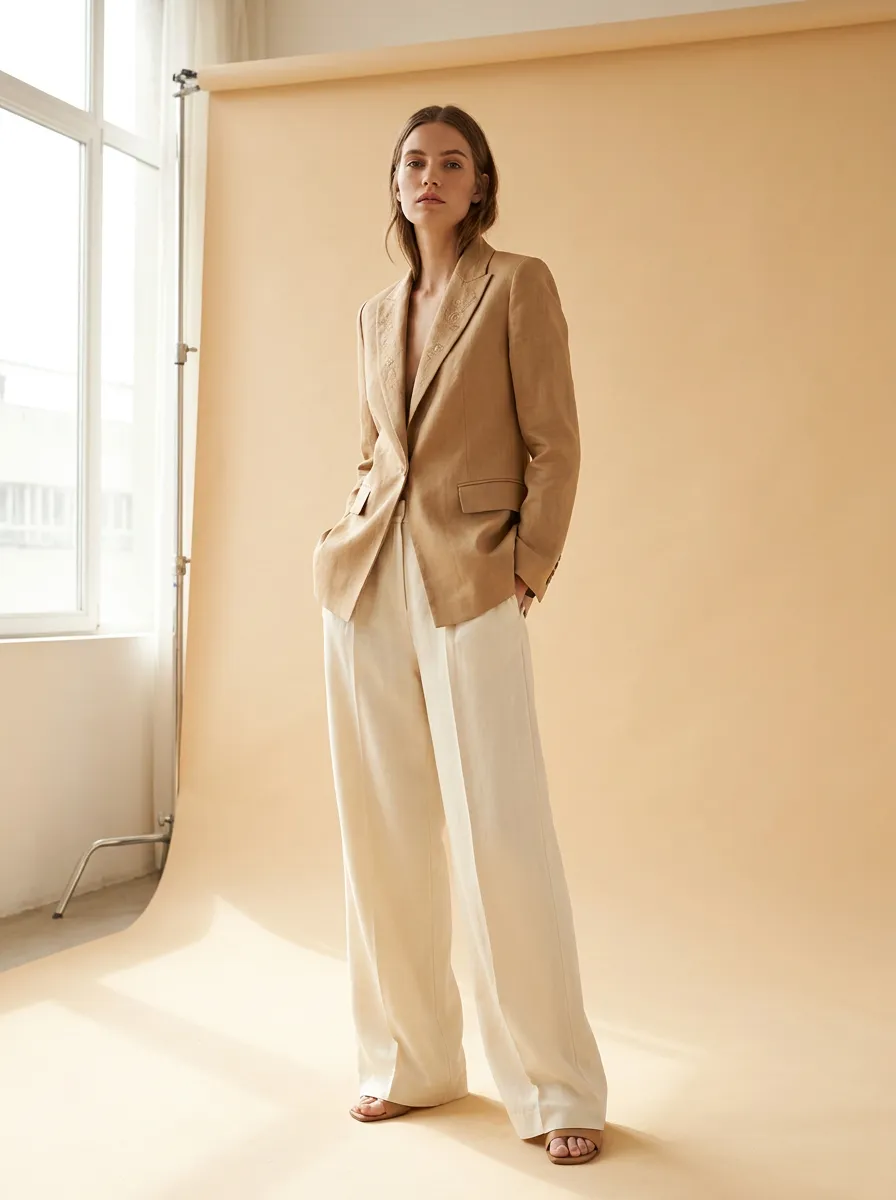
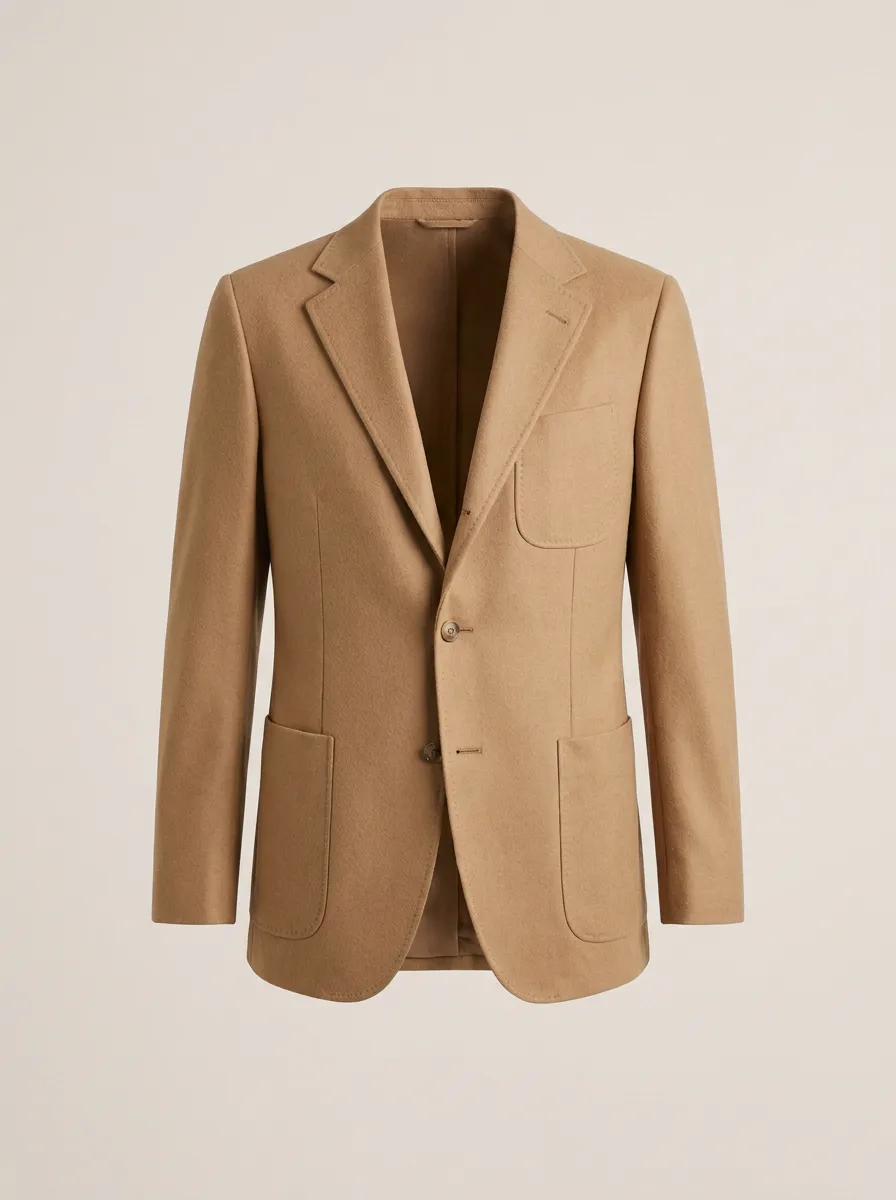
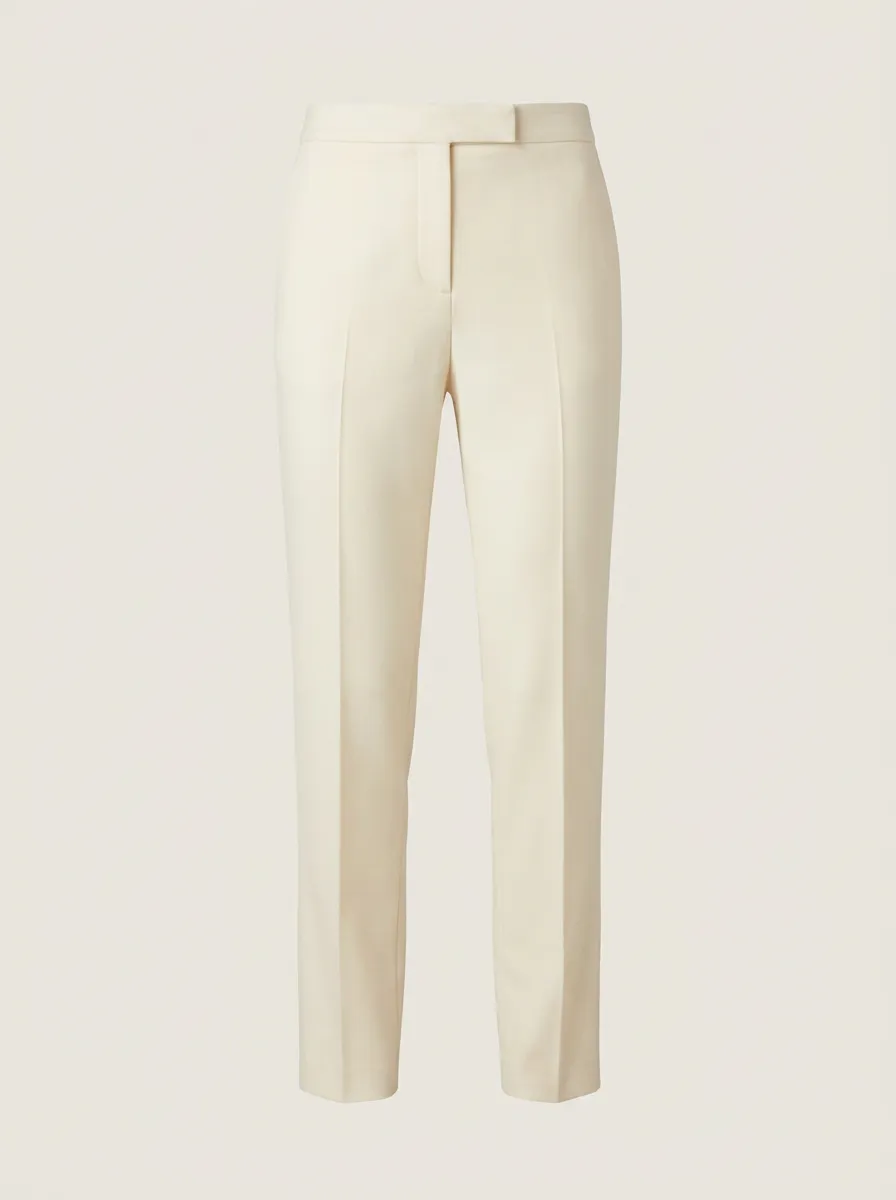
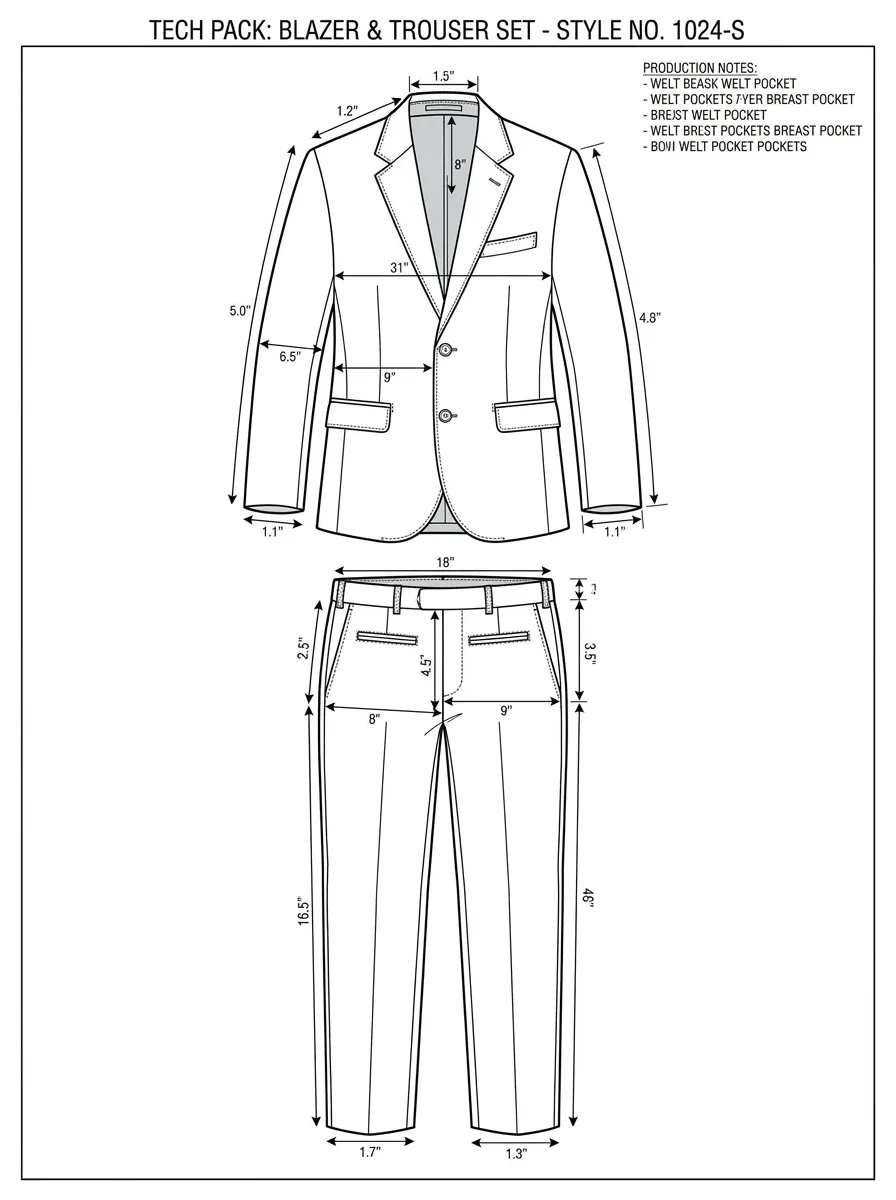
One design, four ways: the set as worn, each piece rendered on its own, and the flat drawing with nobody in it.
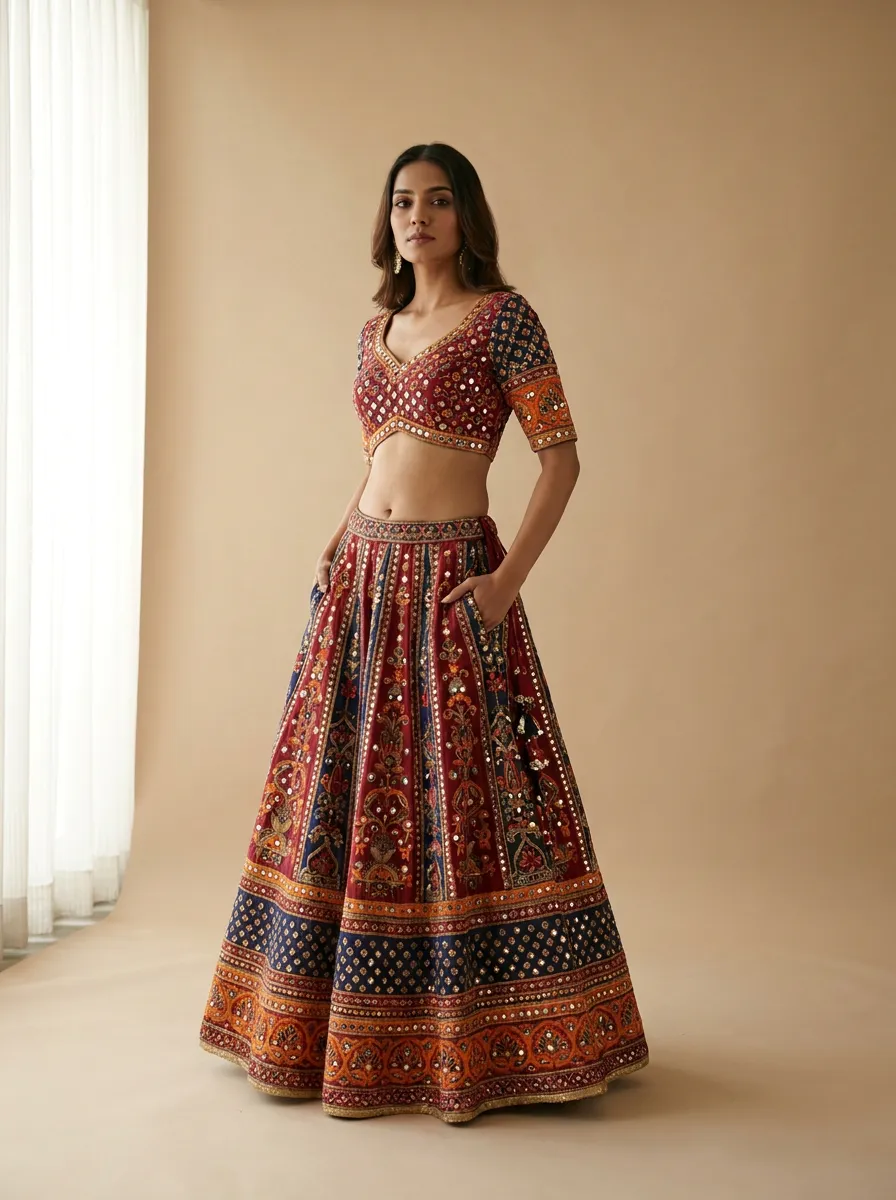
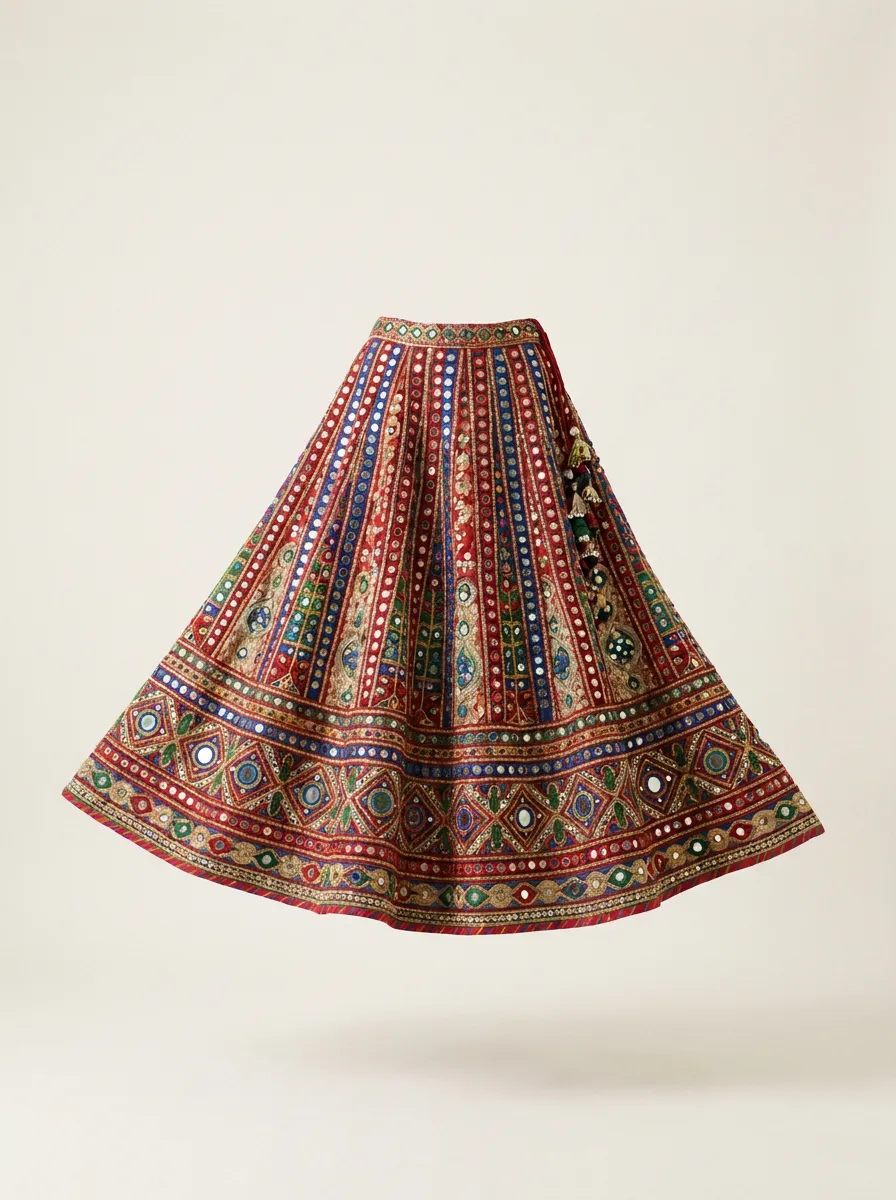
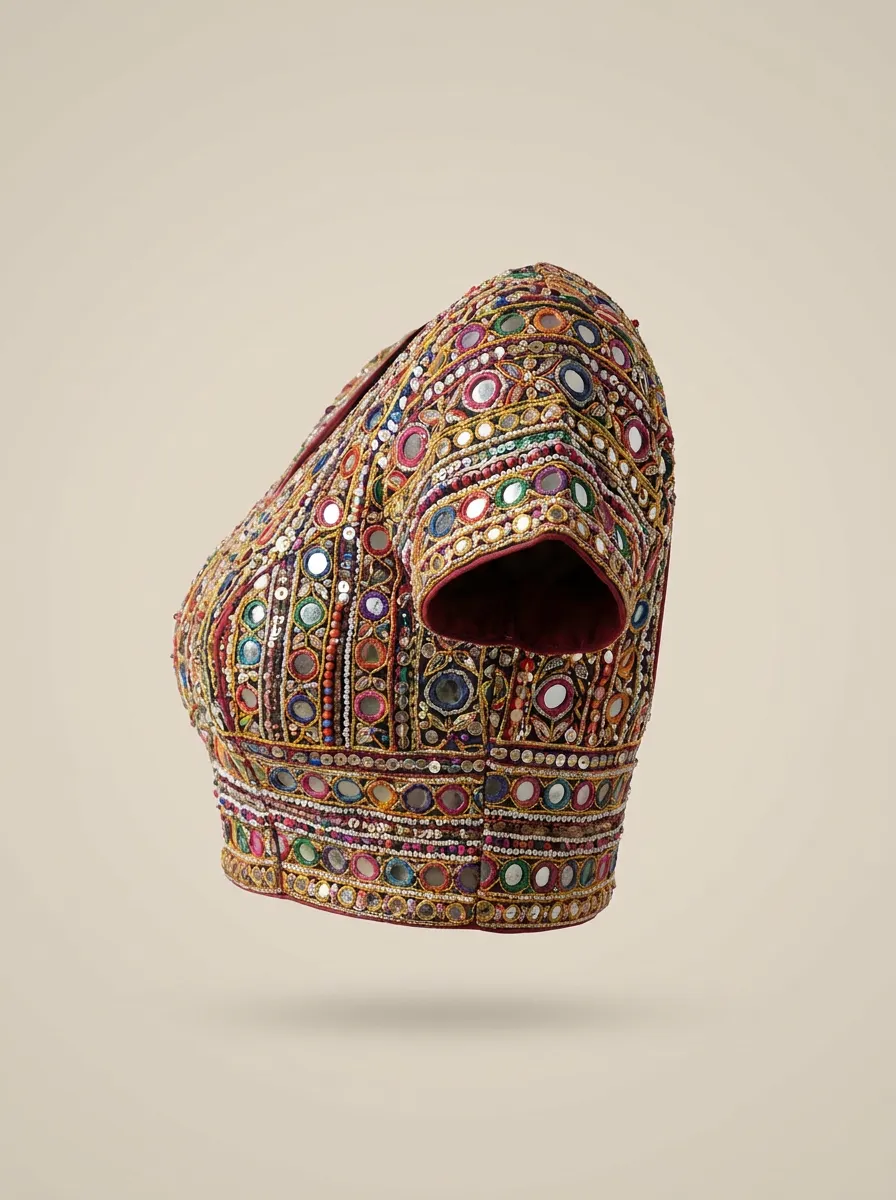
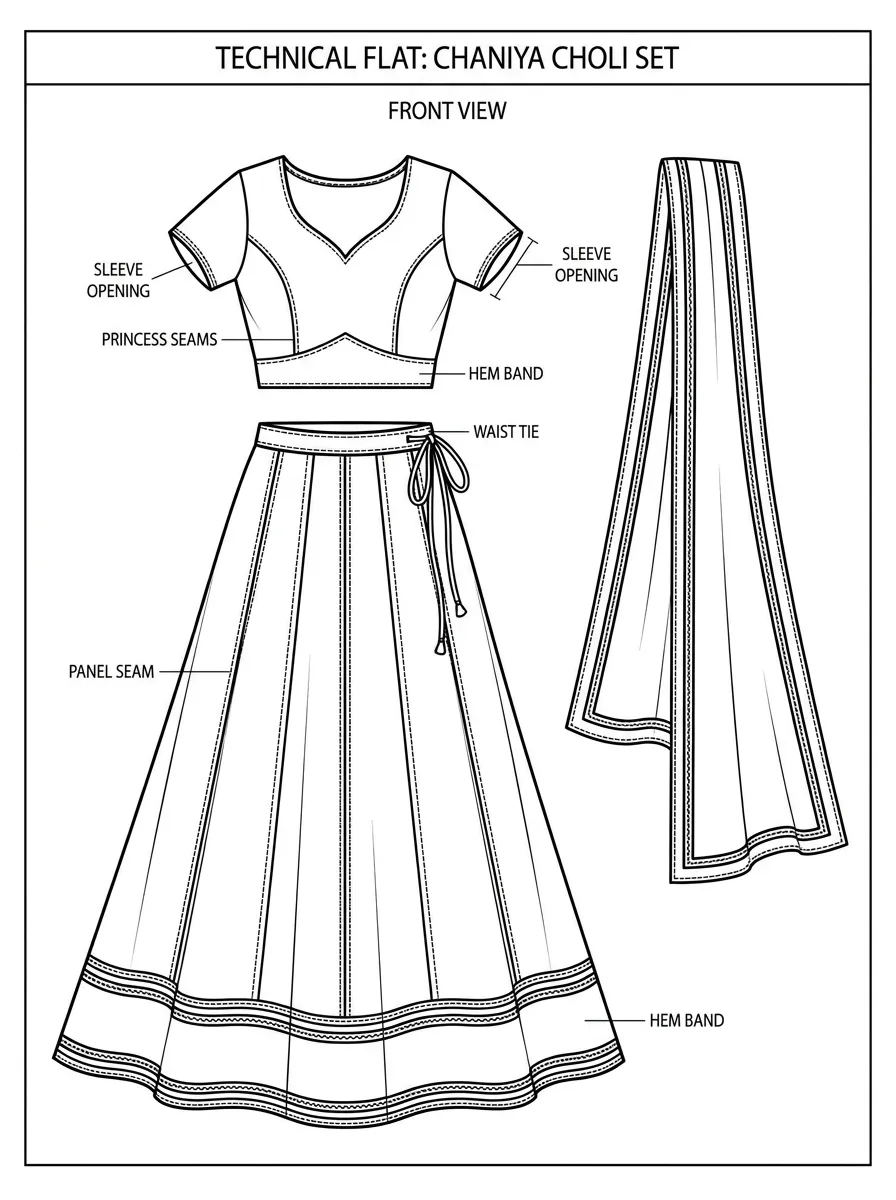
And again, on occasion wear — where the pieces are sold, priced and made separately far more often than the outfit is.
Every piece, rendered on its own
A karigar working the ghagra needs the ghagra, not a photograph of the whole look with a person in the middle of it. So each piece is its own render, with its own cloth, its own crafts and its own share of the cost band — a bow tie and a dinner jacket are two different things to make and are not costed as one.
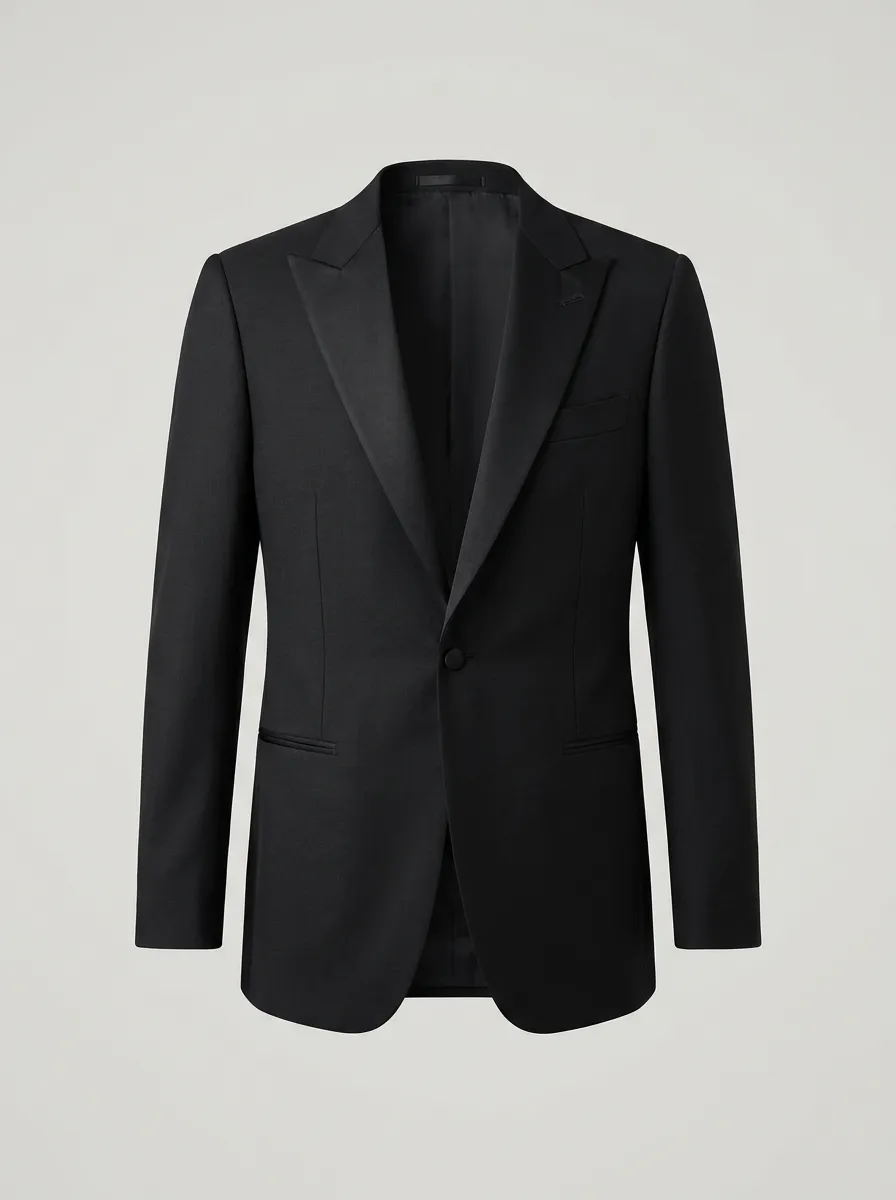
Dinner jacket 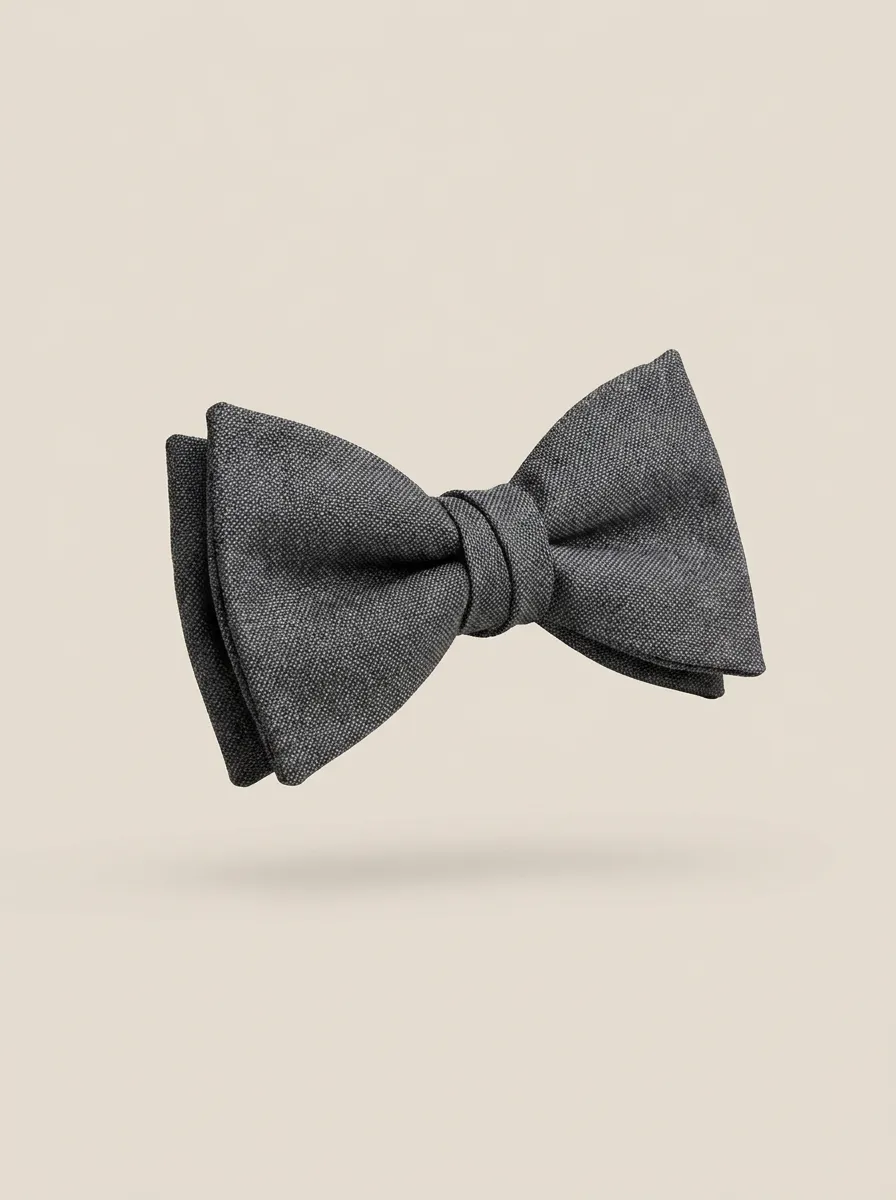
Bow tie 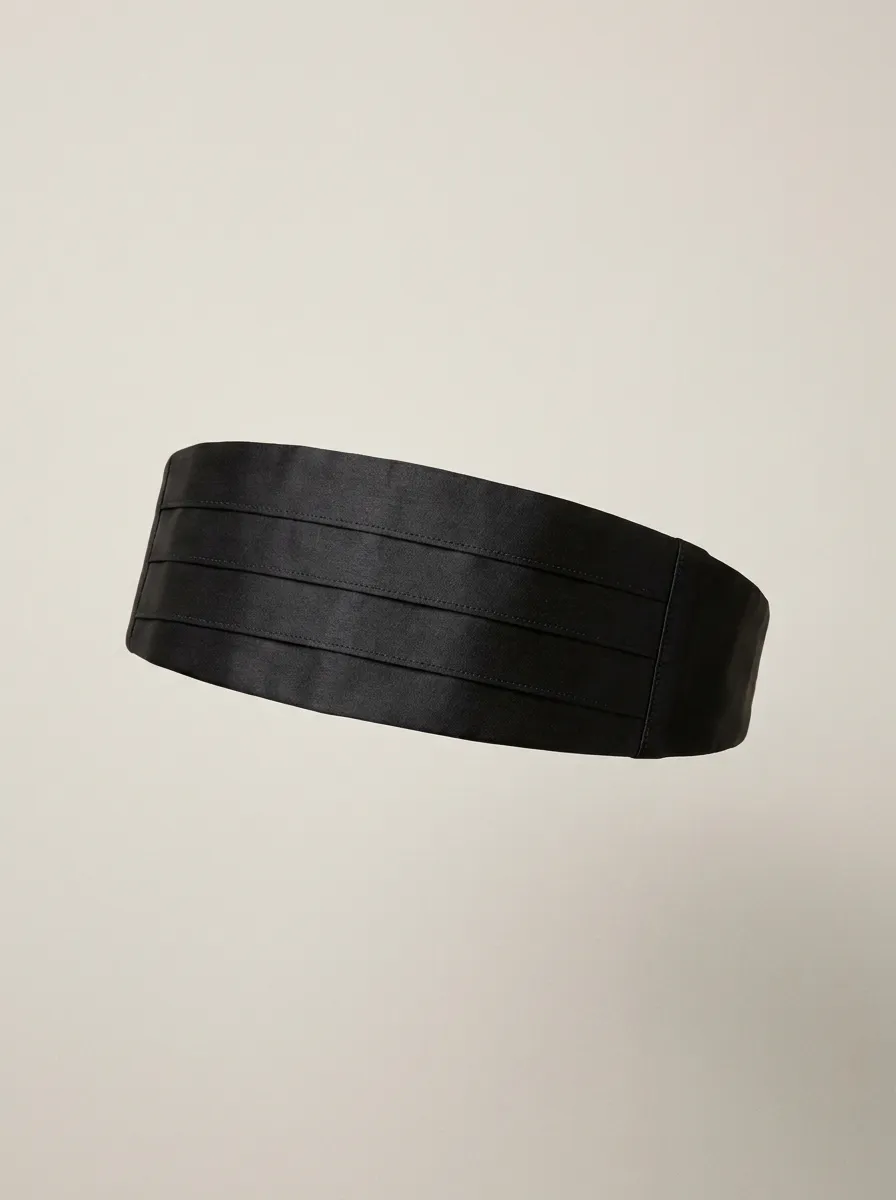
Cummerbund 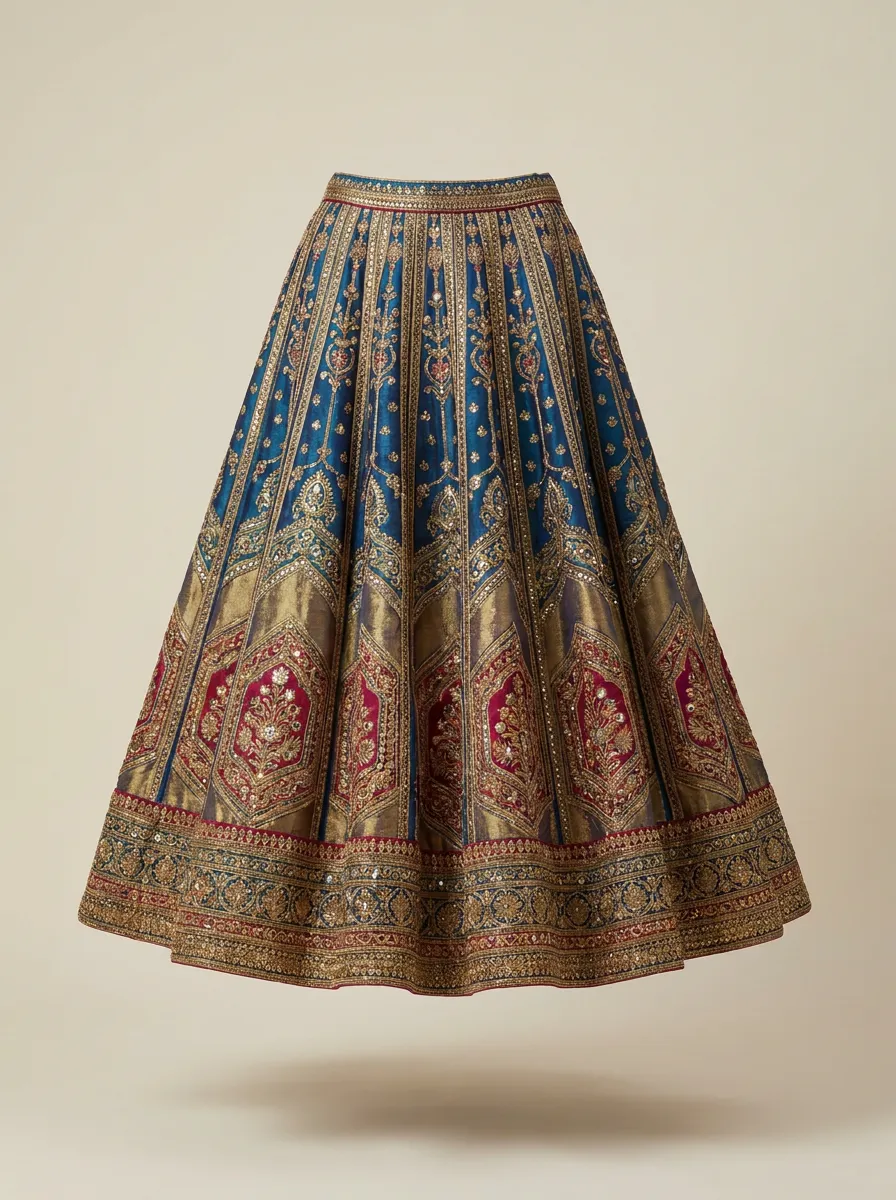
Ghagra 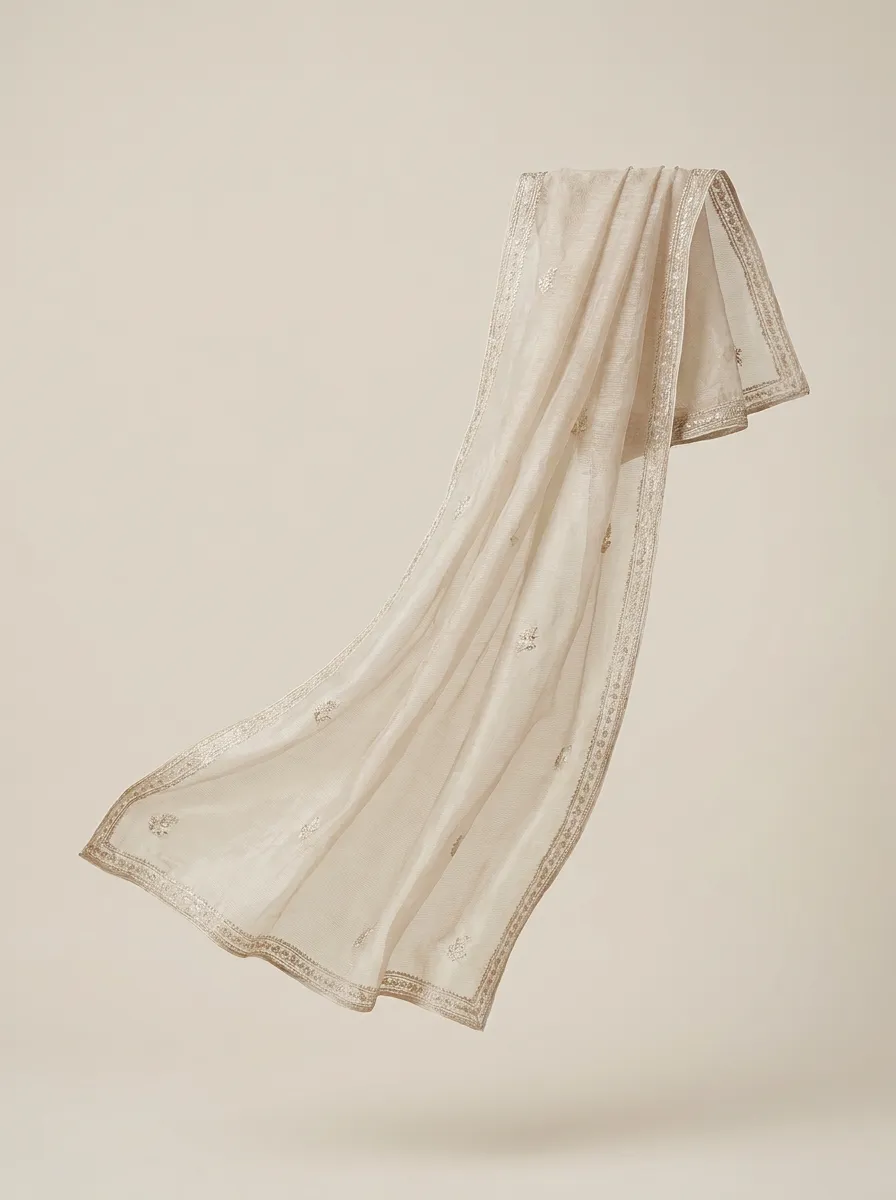
Dupatta 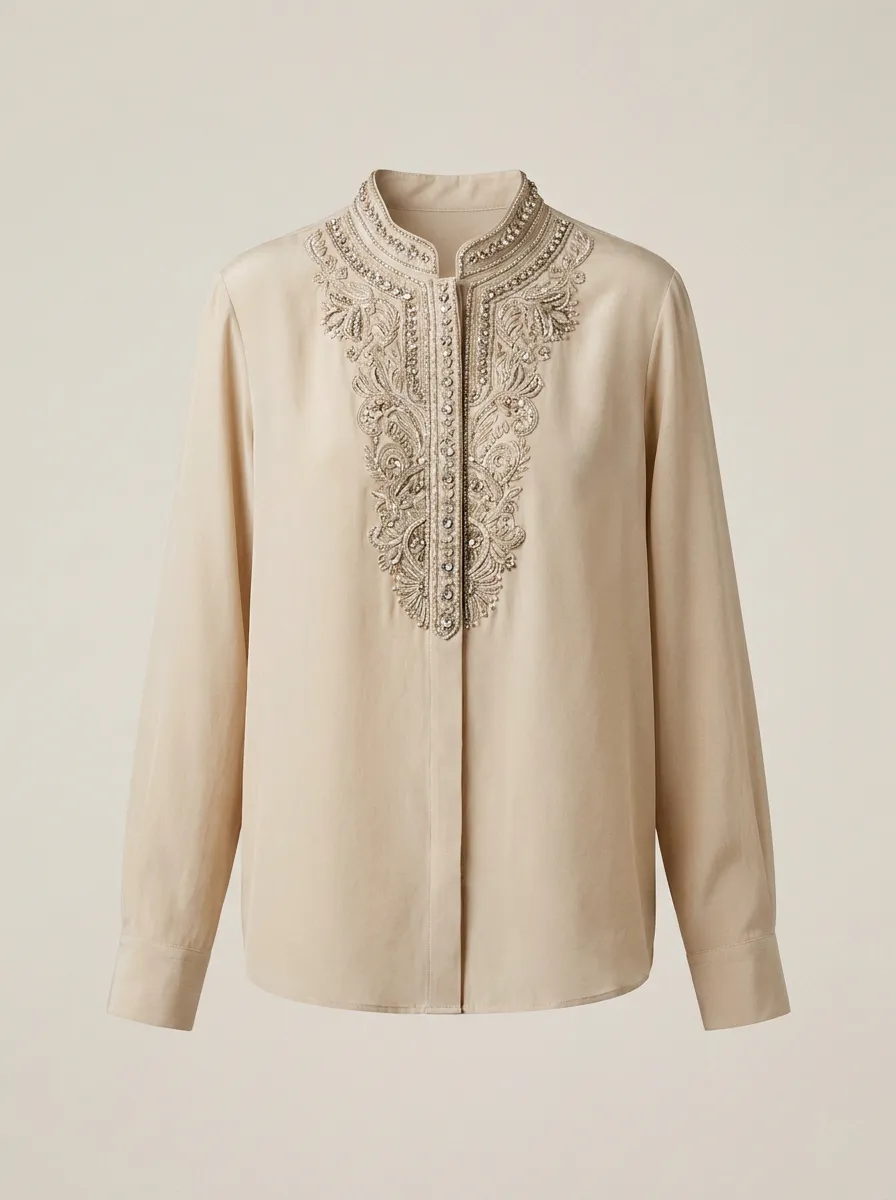
Worked neckline
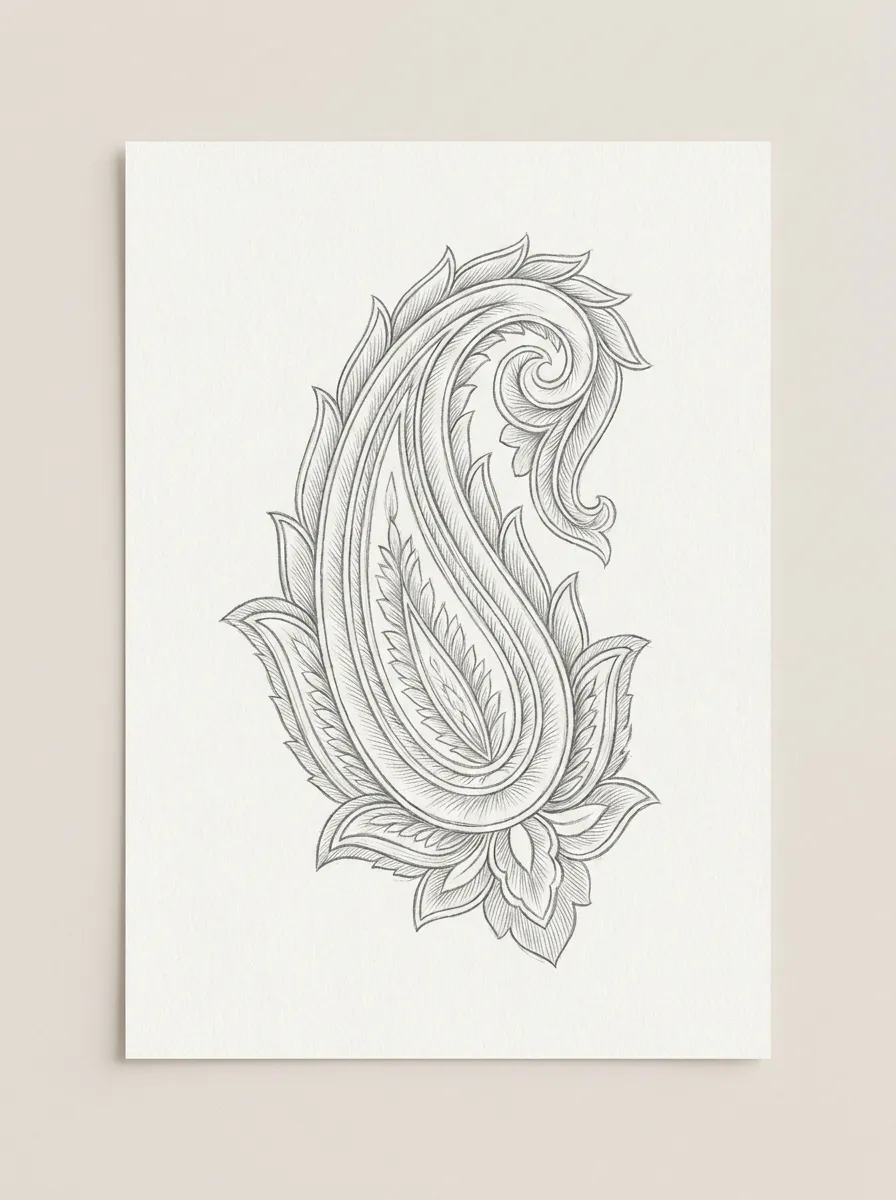
Pencil first. Colour second. The order a digitizer works in.
A motif is drawn as pencil art before anybody decides what colour it is, because that is how the work is actually done — the art is traced and only then is the thread chosen. The colour pass is made from the pencil, not beside it, so what you approve in grey is what comes back in gold.
Pencil 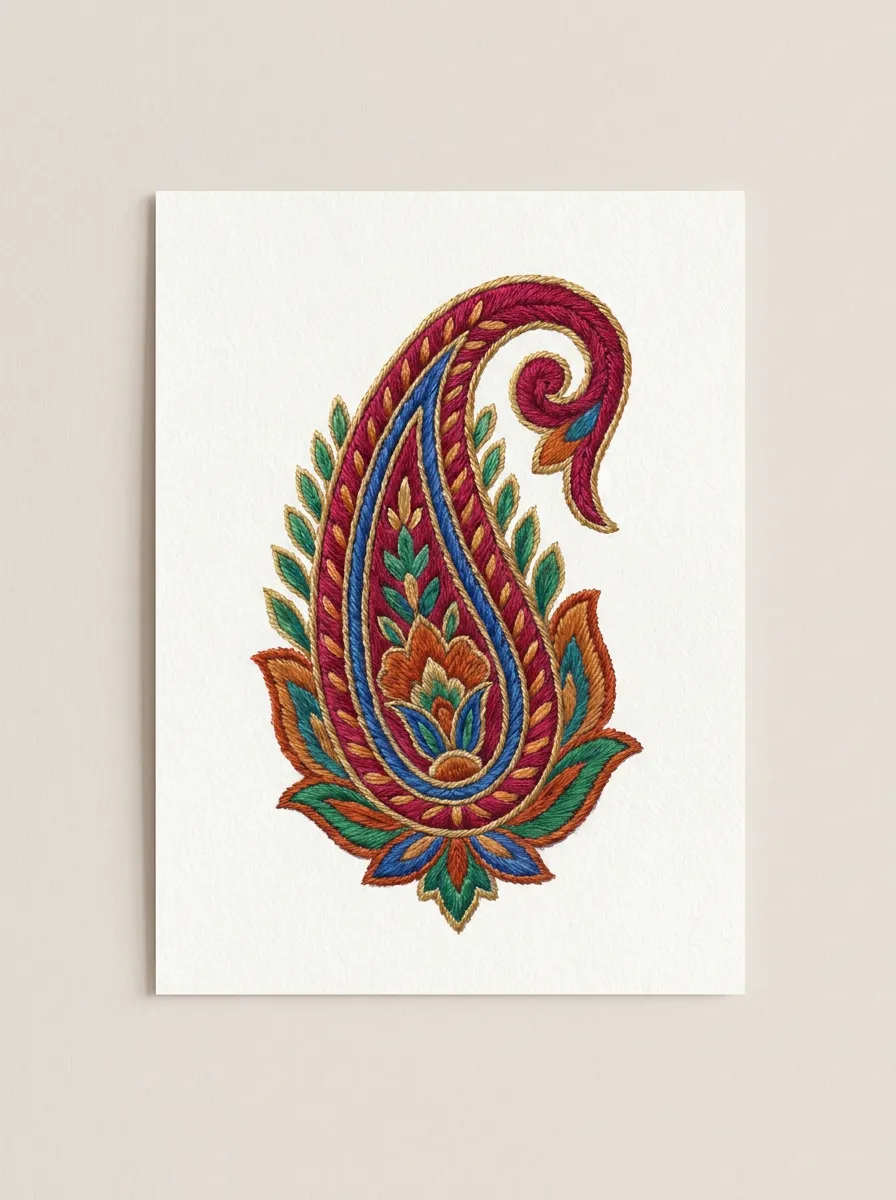
Colour 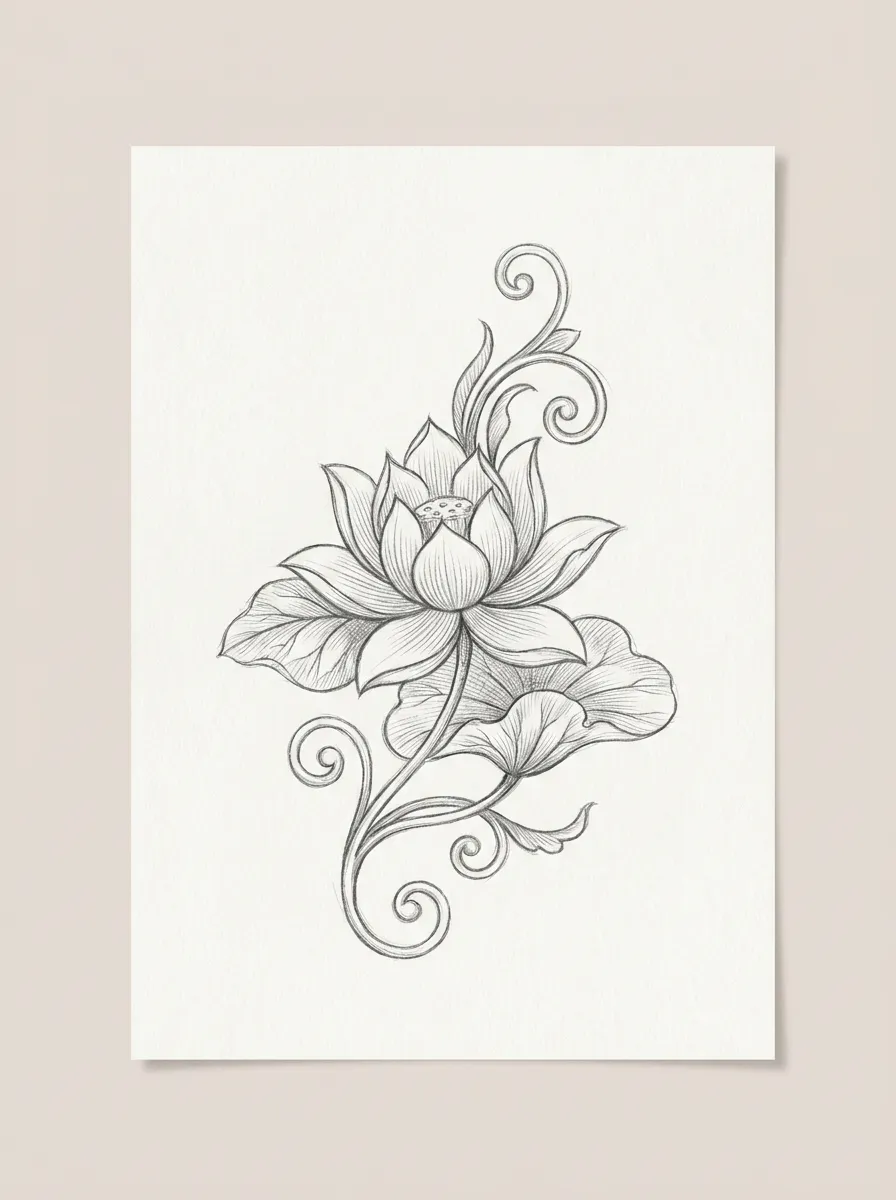
Pencil 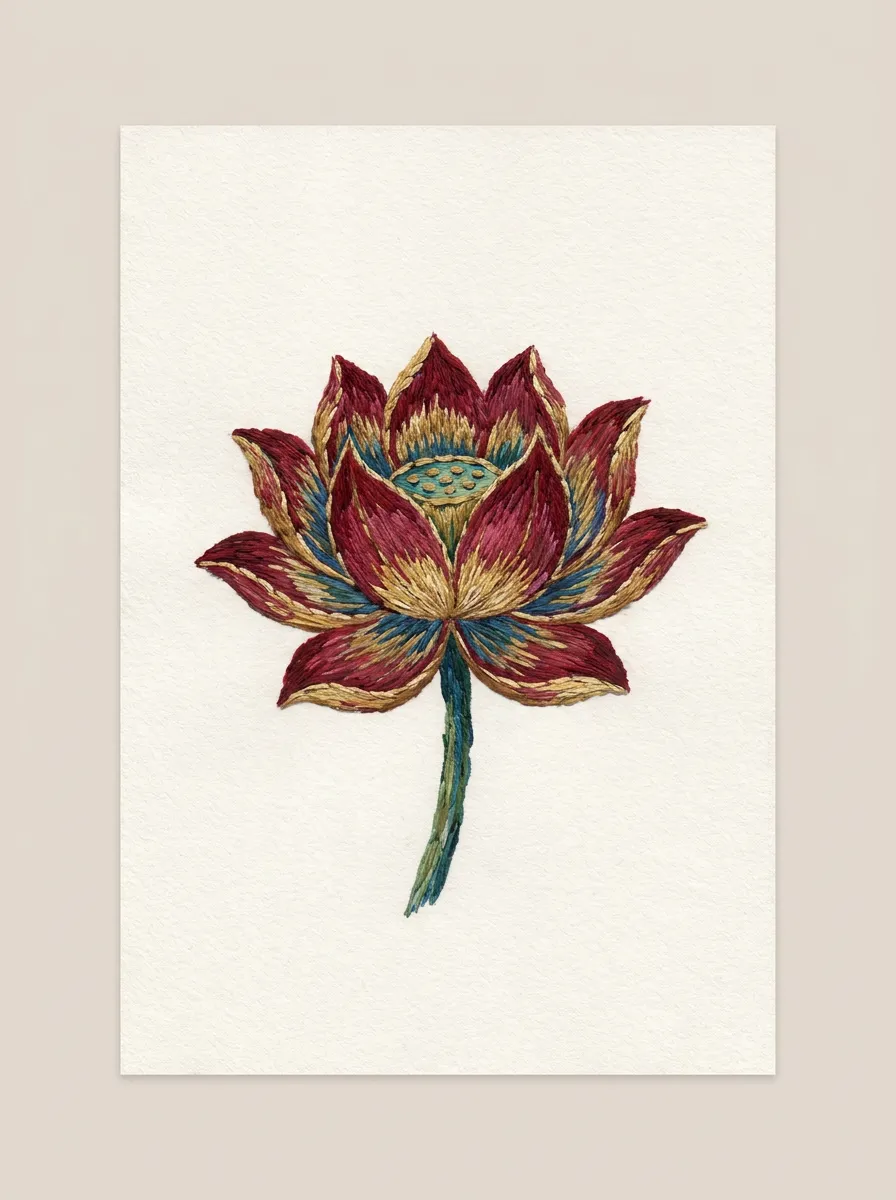
Colour 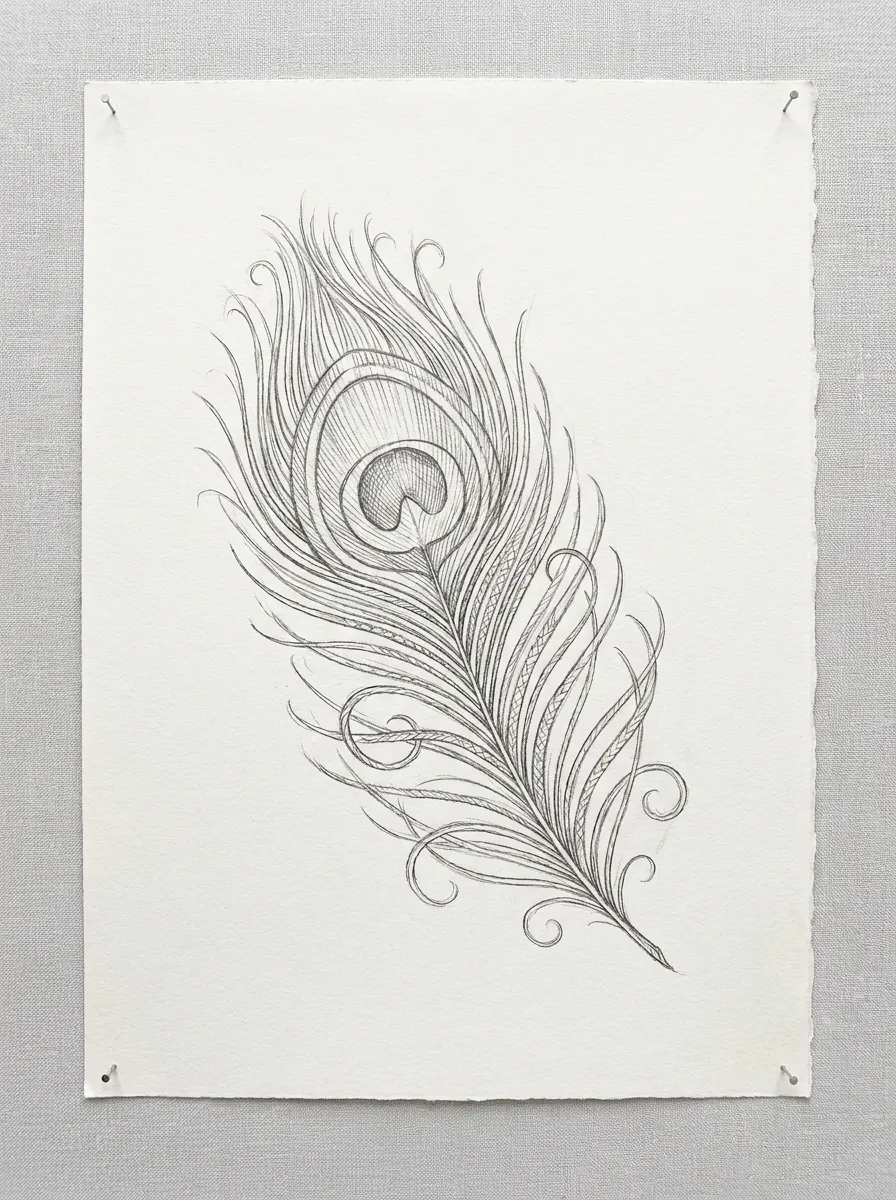
Pencil 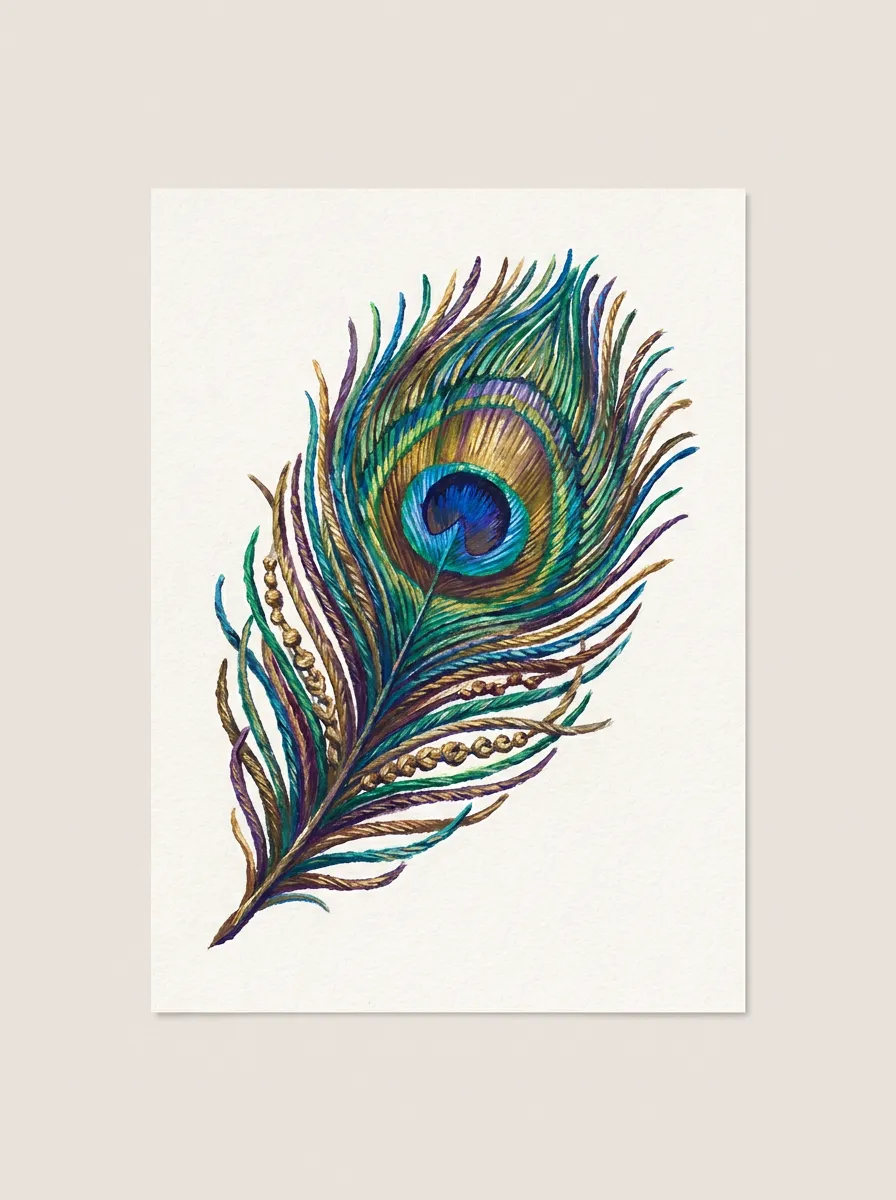
Colour 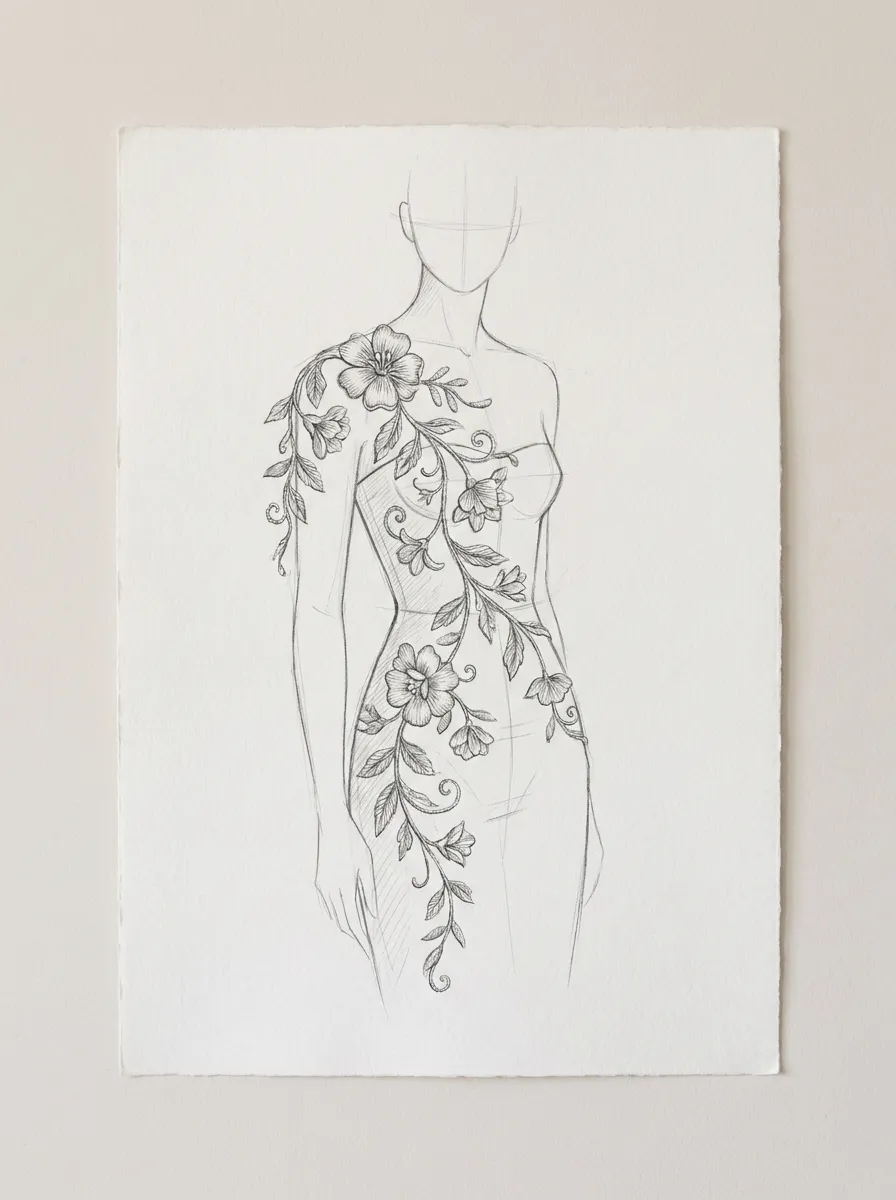
Pencil 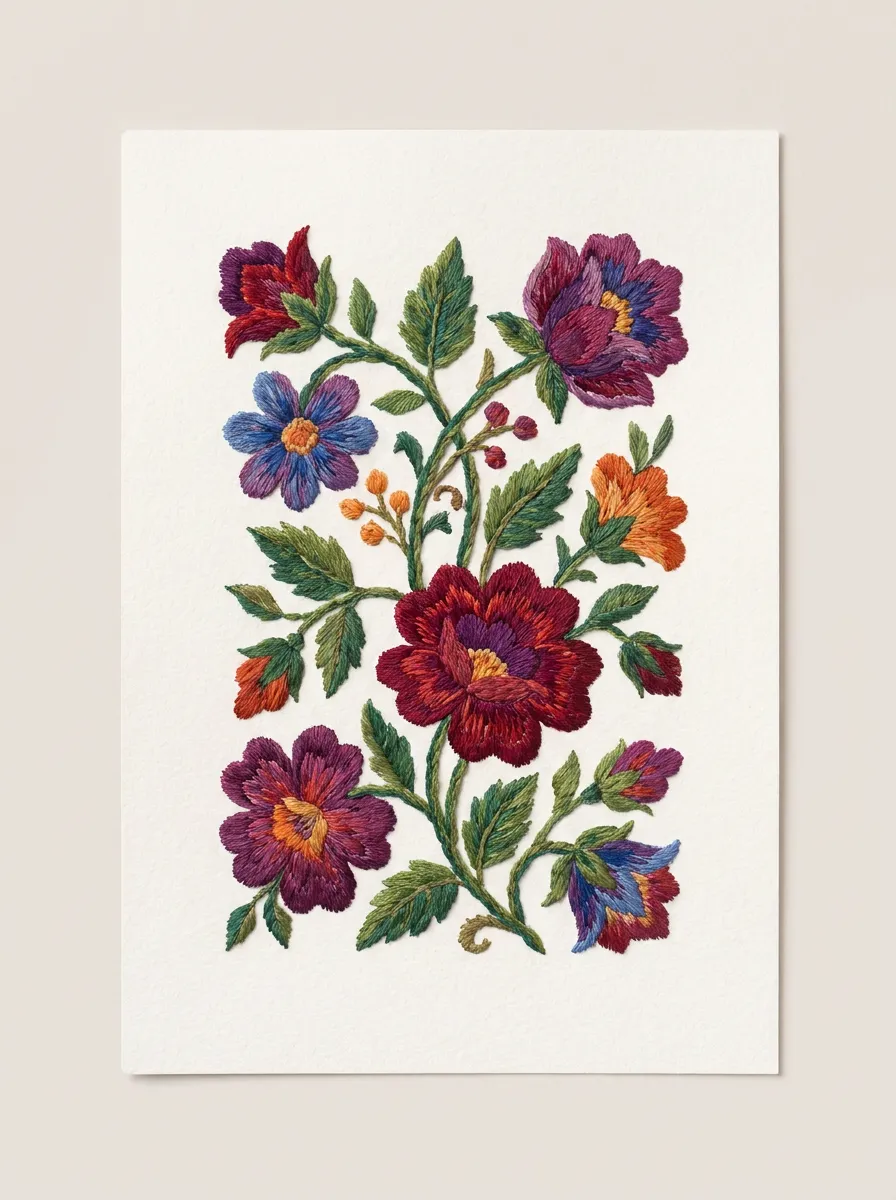
Colour 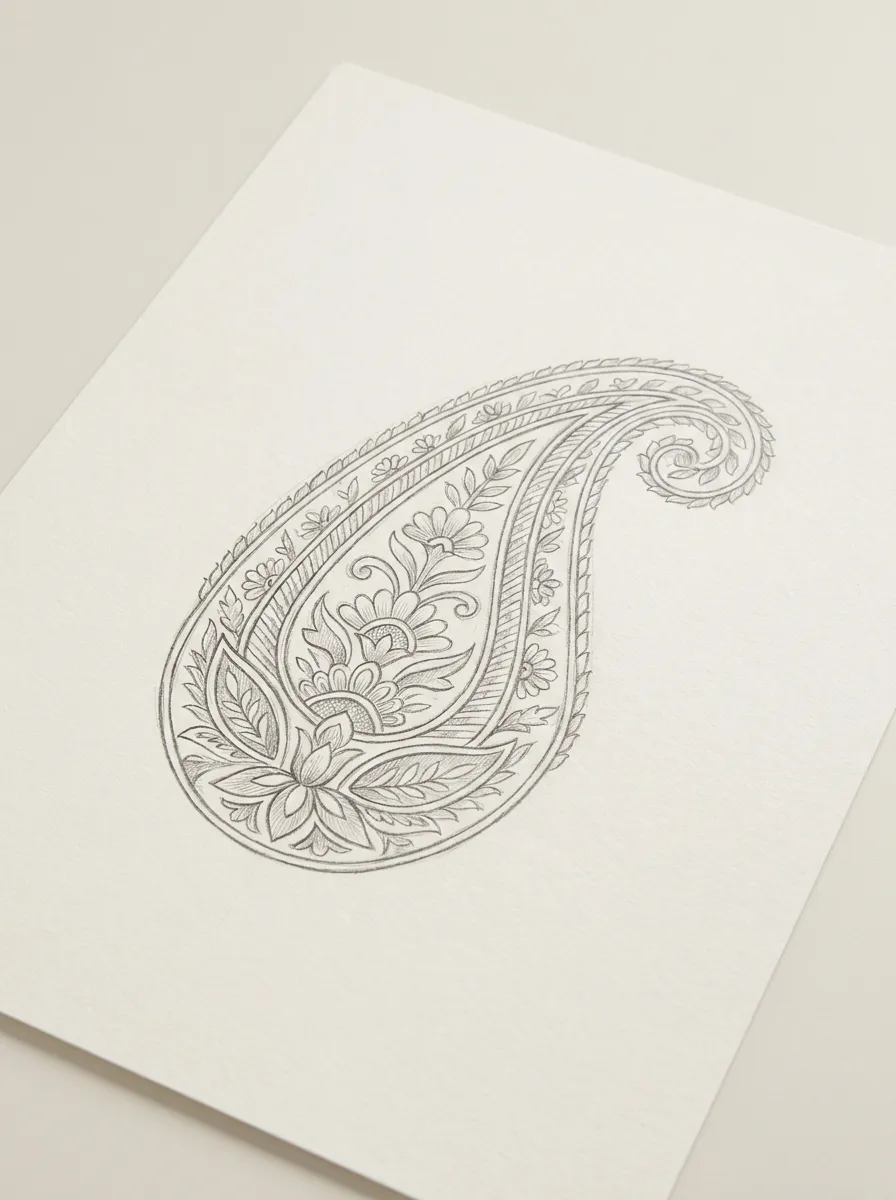
Pencil 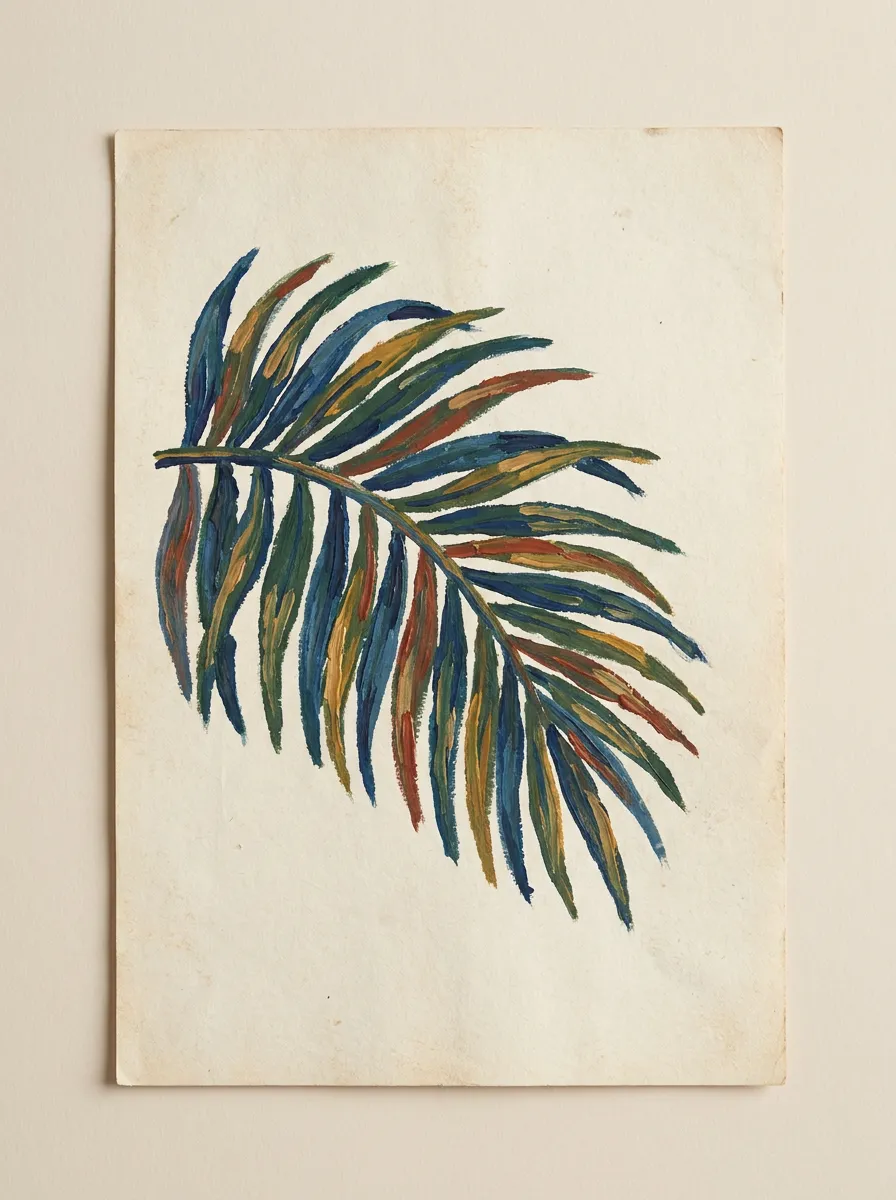
Colour
Left, the pencil pass. Right, the colour pass made from that same drawing.
And two things that are not pictures at all
A sheet a workshop can cut from
Shape renders; sub-detail does not. A button-down collar comes back with the collar’s shape and without the buttons that make it one — so canvassing, pick stitching, lapel roll, plackets and closures live on a written sheet instead, built only from what the record actually holds.
Nothing on it is inferred. A fact the record does not hold is printed as a sentence saying so rather than quietly left out, because a missing fact costs a phone call and an invented one costs the garment.
A cost band on your basis, or none
What the silhouette takes to make, plus what each chosen craft adds in labour — hand goldwork is not sequinning and a loom-built cloth is not a print. It is a range, never a quote, and it is arithmetic on your own making costs rather than on ours.
A silhouette nobody has costed produces no band at all and the screen says so. The version of this that carried a single fallback figure gave a flip-flop and a bridal lehenga the same answer, which is worse than an empty field and harder to notice.
We do not know what a design costs you. You do.
So this does not guess at it. Put in what originating one design actually costs your house, how many a season needs, and how many markets you want them in — and every figure that comes back is yours, or is arithmetic on yours.
Your figure, in your own currency. Studio time, sampling, whatever you already count. We do not know it and we are not guessing at it.
The whole season, not the ones that ship. Count the ones that were drawn and dropped too — those were originated as well.
Up to 7. Each one has its own garments, its own occasions and its own dress rules — which is exactly why the second market is never half the work of the first.
Nothing here is sent anywhere. There is no form behind these fields — the multiplication happens in your own browser and this page has nowhere to put the answer.
We do not know what a design costs you. You do. Put your own figures in the three fields and this works out the rest — and every number it shows you is yours or is arithmetic on yours.
Your own cost to originate, times the number of designs you named. This is the figure you already live with.
The same programme originated again for each market you named, the way it is done when each market starts from a blank page.
The difference between the two. This is the number a house looks at and decides not to enter the second market.
Designs times markets. The catalogue can describe 1,014,390,000 of them, across 7 markets and 25 regions, without hiring for any of them.
We have not touched the first number.
What a design costs your house to originate is yours and we have no business estimating it. What changes here is not that figure — it is how many attempts it has to buy, how long each one waits, and whether the fourth market needs a team who knows how that market dresses before the first drawing exists.
What this costs to use is agreed in the conversation that follows access, against what you have just worked out rather than against a number on a marketing page. Anyone quoting you a figure before they have seen your catalogue, your markets and your season is quoting you somebody else’s.
It does not keep hours
It is an interface and a queue. Work is submitted, work comes back, and nothing about that is scheduled around a studio’s week. Friday night is the same as Tuesday morning, a brief written in one timezone is picked up in whatever timezone the queue happens to be in, and the eleventh colourway is asked for in exactly the same tone as the first.
No figure is claimed for that and none is printed here. We do not measure an availability percentage, so we do not quote one — a number nobody is holding a stopwatch on is worth less than the sentence it sits in.
What “no human dependency” honestly means
It does not mean the designer goes. A person chooses the vocabulary a house works in, a person approves what comes back, and a workshop makes the garment — and a platform that told a house employing designers otherwise would have lost the room before the second paragraph.
What goes is the WAIT, and the reluctance. The eleventh colourway does not need somebody to be free on Thursday. A market you are curious about does not need a hire before the first drawing exists. A brief that turns out to be wrong does not cost a week to find out.
The limit
The catalogue is deeper in some markets than others and this page shows exactly where. Africa is four regions old. If your first ten designs are African everyday wear, say so when you write — the honest answer today may be that we are not ready for you yet, and you should hear that from us rather than discover it in week three.
Registration is closed. Houses are brought on one at a time while the catalogue is finished, and there is no self-serve door behind any button on this page.
And when the design is made — put it on your customer
The catalogue above is the making half. The selling half is the Virtual Show Room: your client's own photograph, your garments rendered on her and set in motion — in the store during festival rush, on your own subdomain, and inside your own website through our API. The trial room holds one person at a time; the Show Room holds the rack.
And what has actually been made on it
Counted off the catalogue on 25 September 2026. These are smaller numbers than the one further up this page and they are printed anyway — a platform that will tell you it can describe a billion briefs and then decline to say how many it has drawn is inviting you to assume the larger figure.
- 451designs
- Each one a record first — garment, occasion, cloth, craft, region, cut — and a picture composed from that record second.
- 63motif studies
- 38 drawn in pencil, 15 studies from scratch, 10 carried through to a full colour pass.
- 59pieces rendered alone
- A ghagra without its choli, a bow tie without its jacket. What a workshop is actually given.
- 78photographs read
- A garment in somebody's picture, turned into a record with a silhouette, crafts and cuts in it.
Tell us what your house makes.
Which markets, which categories, which crafts, and what the first ten designs would need to be. That is enough for us to say whether this is useful to you yet — and to say so plainly if it is not. Commercial terms are agreed in that conversation, against your own numbers rather than a figure on a page.